




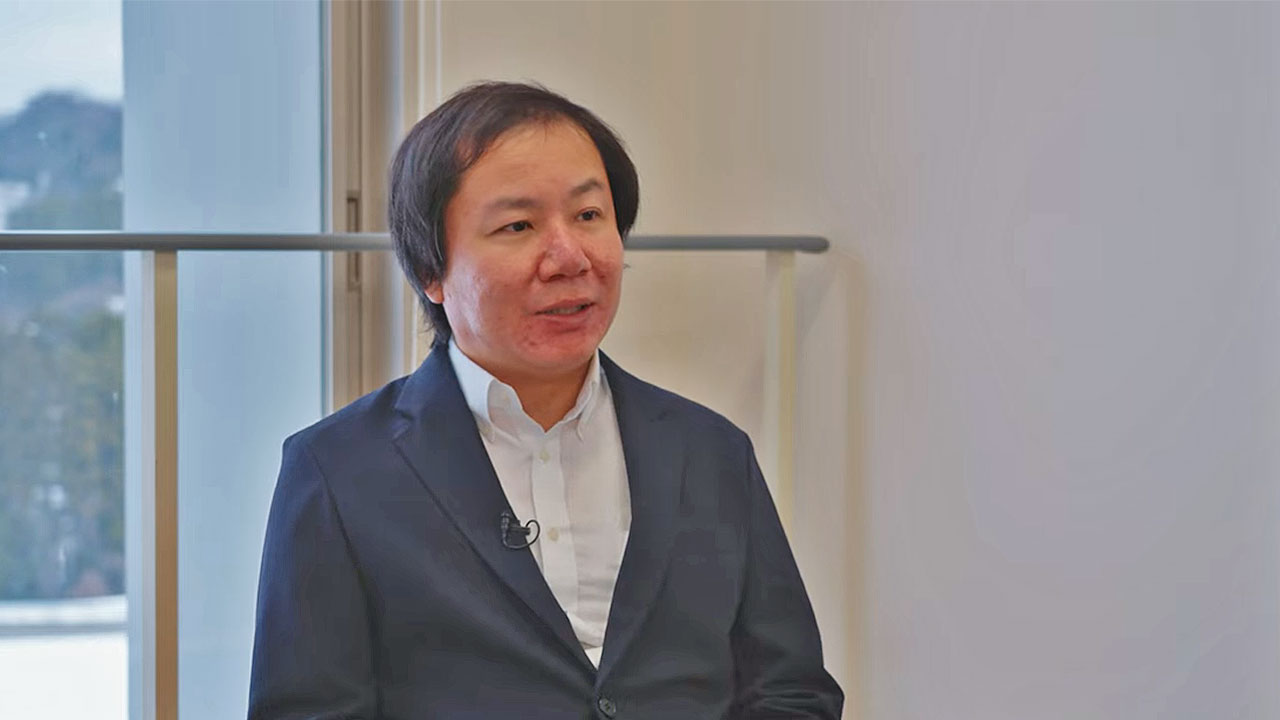
Tackling Aging and Disease Through the Biology of Senescent Cells
Professor Johmura's mission is to unravel the molecular nature of senescent cells and develop drugs that can combat aging and age-related diseases.
When our cells are damaged by stresses such as ultraviolet radiation or oxidative stress, they can become senescent cells. These cells accumulate in the body over time, continuously releasing inflammatory substances into their surroundings. Recent research has revealed that the chronic inflammation driven by senescent cells is deeply involved in the onset and progression of age-related diseases, including cancer, diabetes, and Alzheimer's disease.
"Many diseases associated with aging were long considered untreatable," says Professor Johmura. "But if we can clarify the mechanisms by which senescent cells function, we may be able to bring these diseases under control. In my laboratory, we are working to overcome not only age-related diseases but the phenomenon of aging itself."
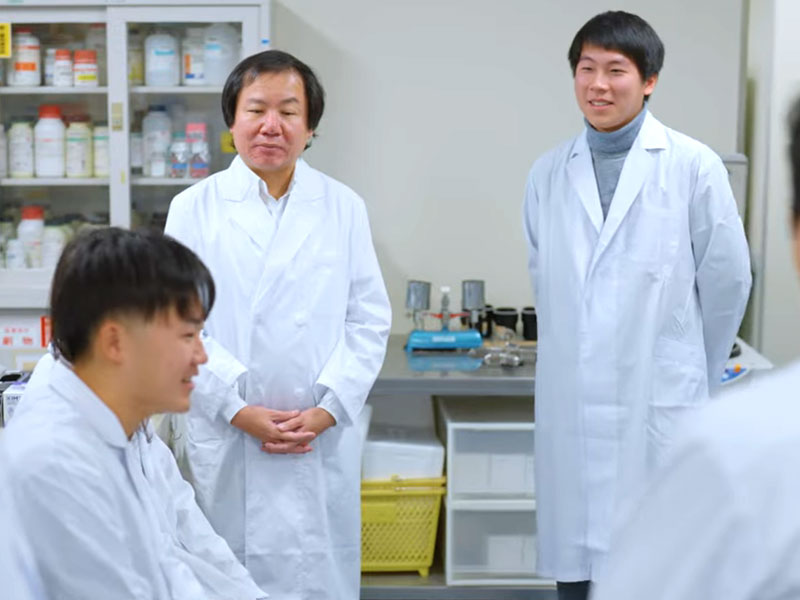
Eliminating and Rejuvenating Senescent Cells
Professor Johmura and his team are pursuing two complementary approaches to controlling senescent cells.
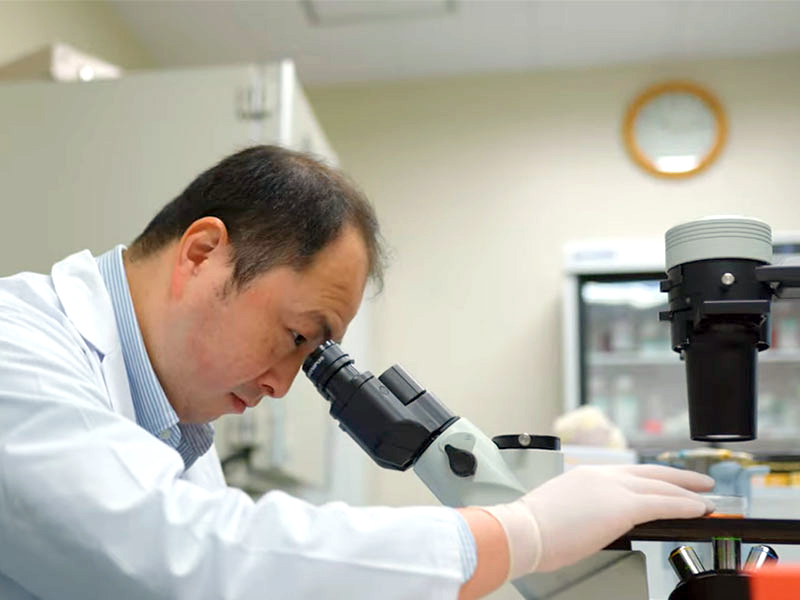
The first is the elimination of senescent cells from the body. Working with mouse models, the team has already confirmed that removing senescent cells slows the rate of aging. "We have also identified several drug candidates for eliminating senescent cells. If these candidates prove to be free of side effects, clinical application in humans could be feasible within five to ten years."
The second approach is the rejuvenation of senescent cells—reprogramming them to a more youthful state. If achieved, this would make it possible not only to slow aging but to reverse it. "So far, we have succeeded in triggering rejuvenation by directly manipulating the genes of senescent cells. The next step is to find a way to induce this effect using drugs that can be administered to humans," Professor Johmura explains. "When it comes to this rejuvenation research, my laboratory is at the forefront in Japan. We aim for clinical application within ten to twenty years and will continue to pursue this work vigorously."
Toward a Society with a 100-Year Healthy Life Expectancy
Research on senescent cells is steadily advancing. However, Professor Johmura points out a significant barrier the field must overcome. "In the current social and regulatory landscape, aging is not classified as a disease. This means it may be difficult to bring our drugs into clinical trials. Going forward, we need to promote the understanding that aging is the root cause of disease and build broader societal support for therapies that target aging."
The average life expectancy in Japan is approximately 85 years, but the healthy life expectancy—the expected number of years lived in good health—falls about ten years short of that. If senescent cells can be brought under control, extending the healthy life expectancy to 100 years or beyond may not be out of reach. "In theory, I believe it should be possible to extend the healthy life expectancy to around 120 years, which is thought to be the biological maximum lifespan of humans," Professor Johmura says.
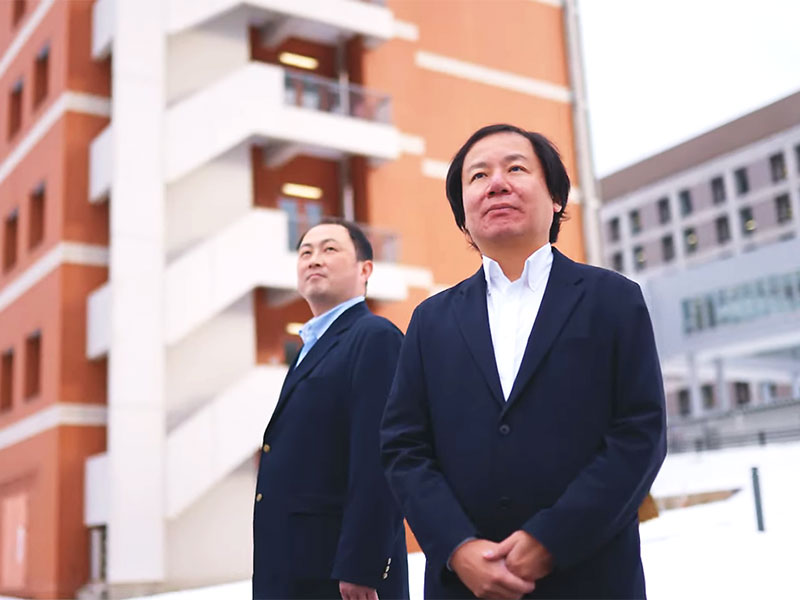
A society in which people live past 100, free from disease, vibrant and active—achieving this vision would also reduce healthcare and caregiving costs, contributing to the long-term sustainability of society as a whole. Professor Johmura's challenge continues, driven by the goal of a world in which both individuals and society can thrive indefinitely.
(OHTA Makoto,Science writer)
Related Information
MIRAICHI Research Center
Professor Johmura's Showcase
Cancer Research Institute
 PAGE TOP