




A research group led by Assistant Professor Keiko Ueno at the Innovative Clinical Research Center, Kanazawa University Hospital, has shed light on the current state and challenges of collaboration between fire defense headquarters (*1) cross Janan and long-term care, welfare, and health organizationss.
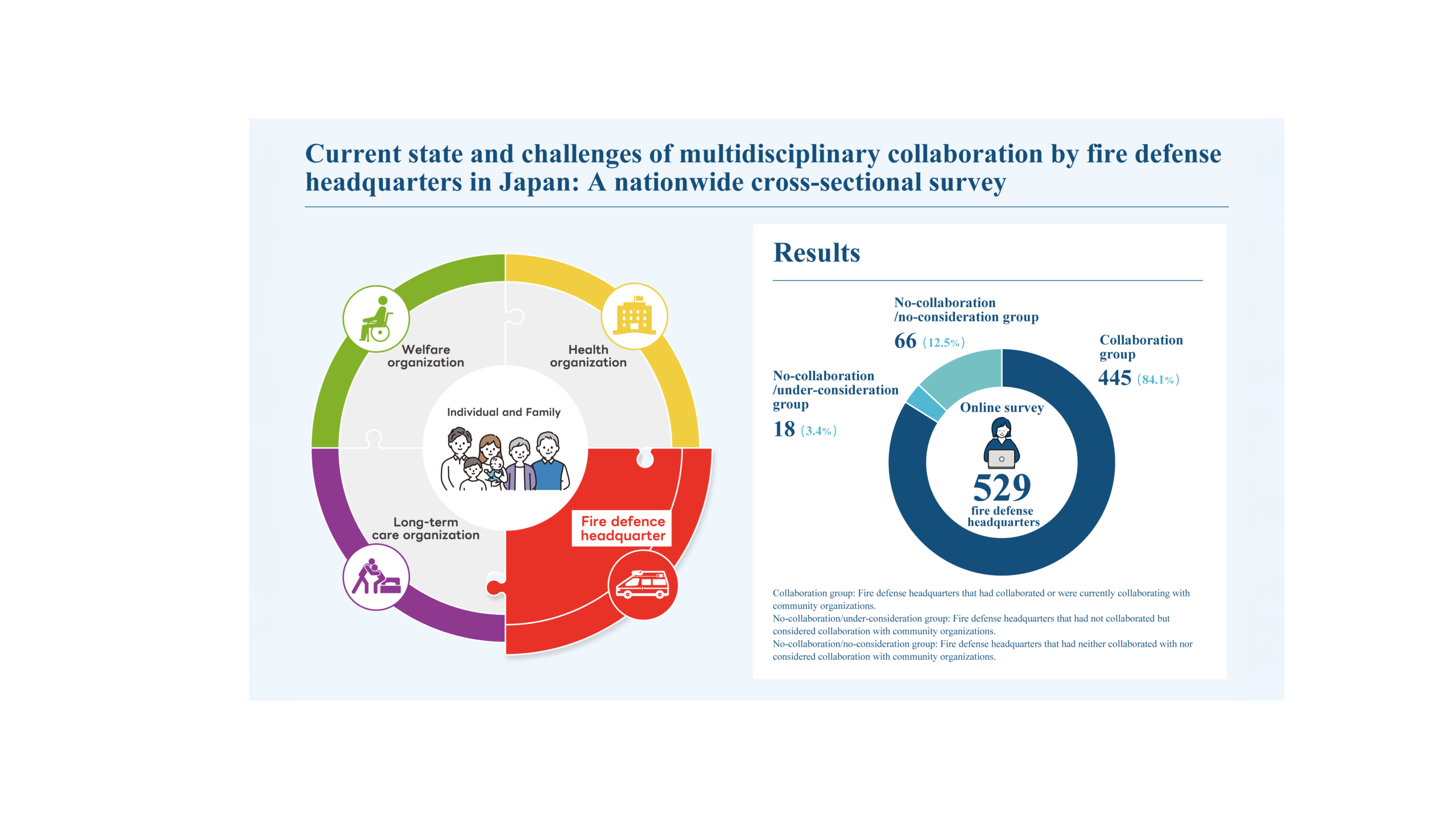
In today's aging society, Japan is promoting the development of “community-based comprehensive care systems (*2)” to support older people and “multilayered support systems (*3)” to assist citizens with complex needs. These efforts involve collaboration among local organizations such as long-term care (*4), welfare (*5), and health organizations (*6). The active involvement of fire defense headquarters in these regional systems has been recognized as increasingly important, especially in light of the growing demand for emergency services. However, there has been limited evidence of the actual status of such collaboration and the challenges faced in practice. To address this, the research team conducted a questionnaire survey of fire defense headquarters across Japan to clarify the current state of cooperation with long-term care, welfare, and health organizations, as well as the issues arising from these partnerships. The results revealed that approximately 84% of fire defense headquarters engage in some form of collaboration with these organizations in the community.
Cooperation between fire defense headquarters and long-term care, welfare, and health organizations is essential to supporting the lives and health of community residents. Based on the findings of this study, further collaboration between fire defense headquarters and these organizations is expected to be strengthened, along with efforts to address the challenges identified.
The results of this research were published online on May 28, 2025 in "Acute Medicine& Surgery", an international journal published by the Japanese Society for Emergency Medicine
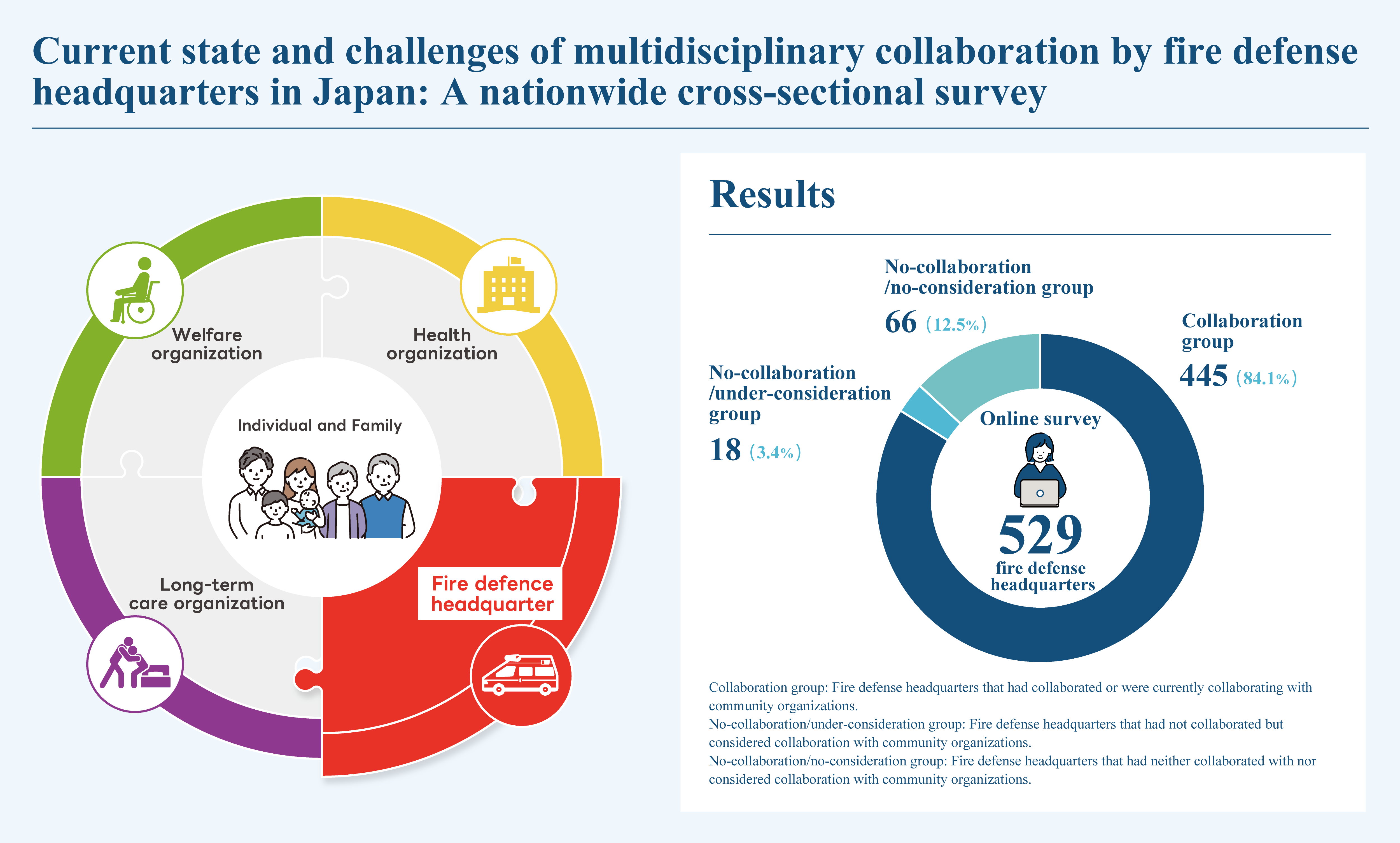 Figure 1: Schematic diagram of this study
*1 Fire defense headquarters
The fire defense headquarters is the core organization of the fire department established in each municipality. In addition to responding to fires, it is also responsible for emergency services such as ambulance transport. By supervising and directing local fire departments and emergency response teams, it plays a vital role in ensuring the safety and security of the community.
*2 Community-based comprehensive care system
A system promoted by Japan’s Ministry of Health, Labour and Welfare that aims to enable elderly people to continue living in their familiar communities. It provides integrated services—including medical care, long-term care, and daily life support—through collaboration among relevant local organizations.
*3 Multilayered support system
This is a government-led initiative promoted by Japan’s Ministry of Health, Labour and Welfare. It refers to a local support framework that provides welfare, long-term care, employment assistance, and other services in a cross-sectoral and comprehensive manner to individuals facing complex challenges.
*4 Long-term care organizations
These are facilities and organizations that provide daily living support and nursing care services to elderly individuals and people with disabilities. This category includes long-term care welfare facilities for older people, home-visit care providers, and day service centers.
*5 Welfare organizations
These are facilities and organizations that provide livelihood support and social services to individuals in need of assistance. This category includes social welfare councils, child and family support centers, and welfare offices.
*6 Health organizations
These are facilities and organizations that provide medical and health services aimed at maintaining the well-being of local residents and preventing disease. This category includes public health centers, community health centers, and local government health departments.
Click here to see the press release.【Japanese only】
Journal:Acute Medicine & Surgery
Researcher’s Information:Keiko Ueno
Related Information
Innovative Clinical Research Center, Kanazawa University Hospital
 PAGE TOP