




A collaborative research group consisting of Professor Hiroshi Hasegawa of the Faculty of Chemistry, Institute of Science and Engineering, Kanazawa University; Technical Specialist Tomoharu Minami of the Engineering and Technology Department; Tokugo Uchida, Director of the MOA Museum of Art; Professor Yoshinobu Kawano of the Faculty of Geo-environmental Science, Rissho University; Professor Emeritus Nozomu Iwasaki and others has demonstrated that the habitat region of green turban shells used in mother-of-pearl inlay (*1) can be identified through analysis of trace elements contained in their shells. This research was conducted under the leadership of Tokugo Uchida, Director of the MOA Museum of Art, and was published with him as the first author.
The green turban shell is a large marine gastropod inhabiting tropical coral reef regions of the Indian Ocean and the western Pacific Ocean and has long been used as a principal material for mother-of-pearl inlay. In Japan, 20 mother-of-pearl inlay works have been designated as National Treasures and 64 as Important Cultural Properties, demonstrating their exceptionally high cultural value. In this study, the researchers showed that elemental ratios such as Sr/Ca, Mg/Ca, and K/Ca in green turban shell shells exhibit distinctive values depending on the habitat region, making provenance identification possible. This is thought to be because trace-element concentrations in the shells reflect the concentrations of trace elements in the surrounding seawater and are also influenced by environmental factors such as water temperature.
These findings are expected to contribute in the future to historical research on the so-called “Shell Road,” including investigations into where the green turban shells used in mother-of-pearl inlay originated and the routes by which they were transported. Such research may help clarify the realities of trade history and cultural exchange in East and Southeast Asia.
The results of this study were published on March 2, 2026, in the journal "Regional Studies in Marine Science".
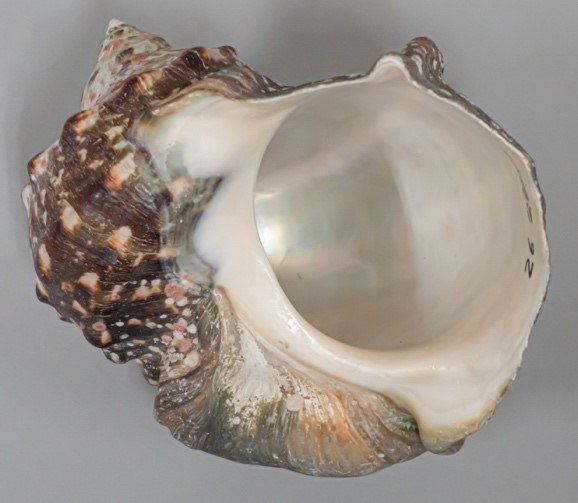
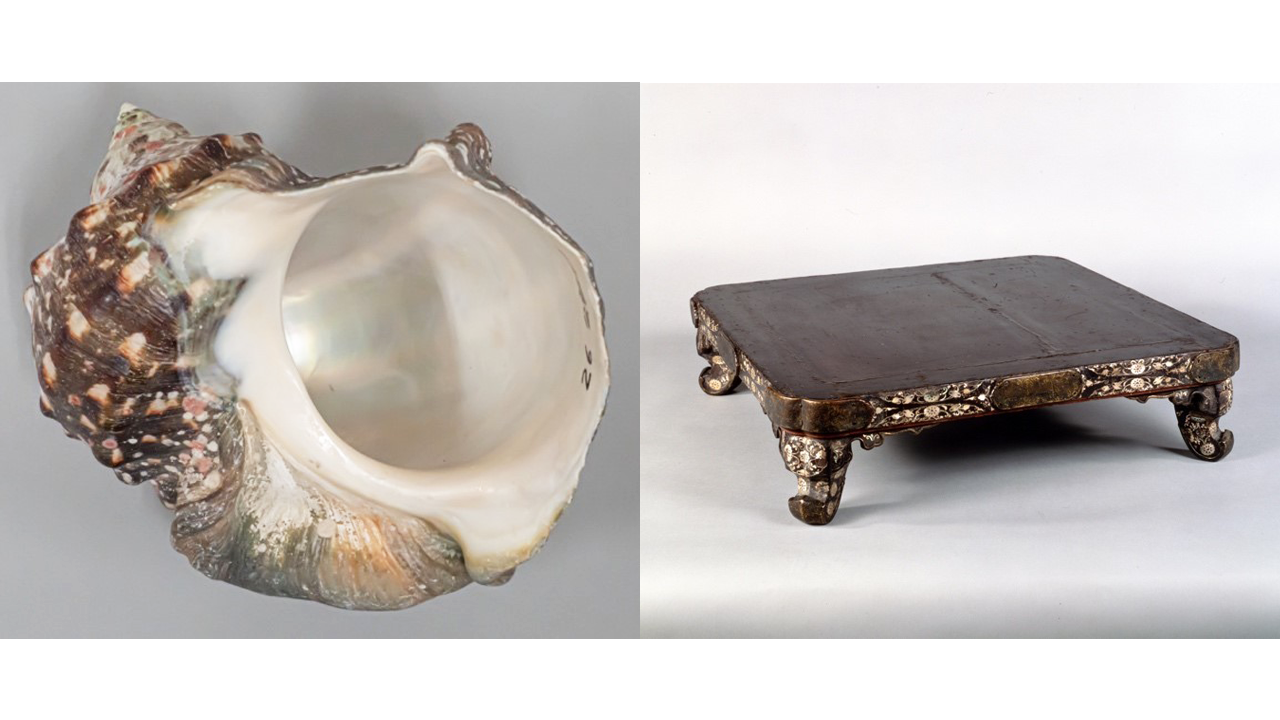
Figure 1. Green turban shell used for the analysis, shell height 24.5 cm. © MOA Museum of Art.
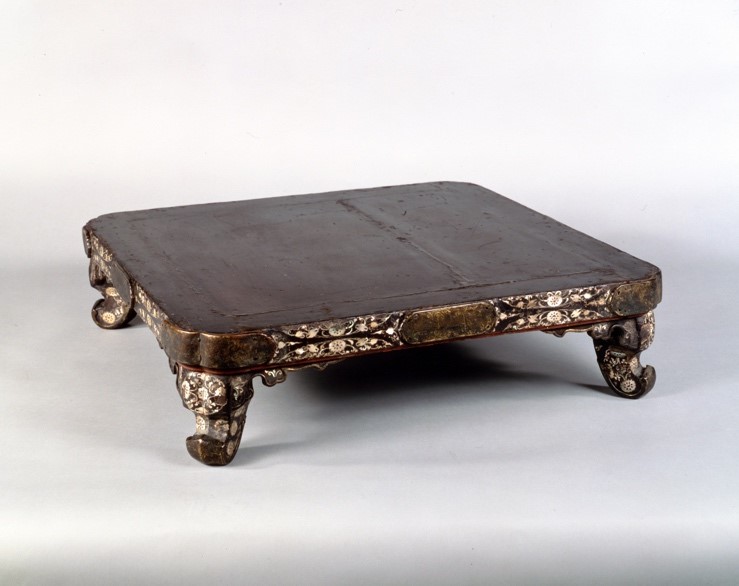
Figure 2. Ritual Tray with Lotus and Arabesque Mother-of-Pearl Inlay Decoration, Kamakura Period (13th century), collection of the MOA Museum of Art. © MOA Museum of Art.
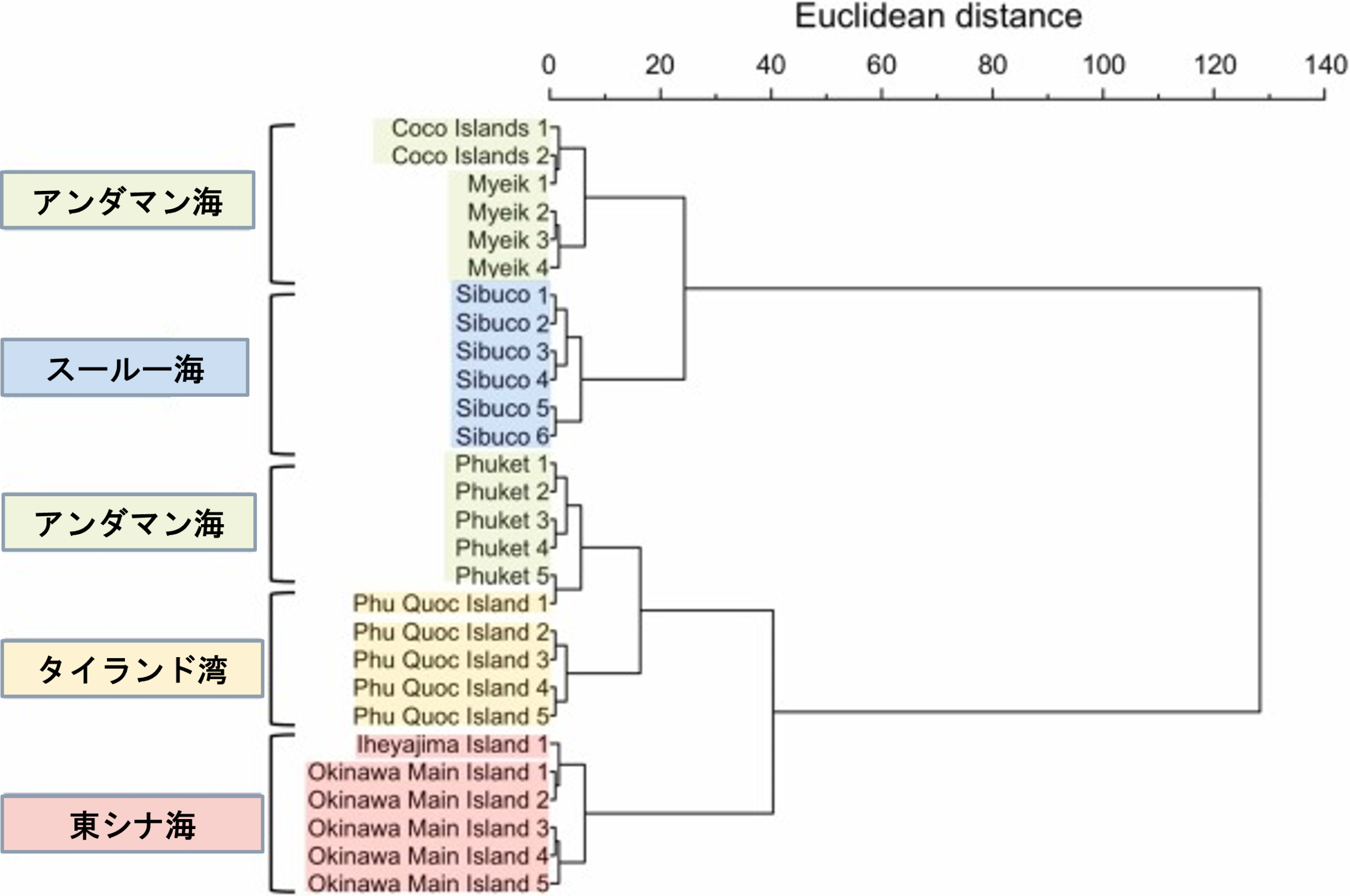
Figure 3. Dendrogram obtained through cluster analysis using trace elements in green turban shell shells analyzed by ICP-MS and ICP-OES.
Reprinted fromRegional Studies in Marine Science,Vol. 96, Uchida et al., “Trace elements in green turban shell (Turbo marmoratus) as indicators for provenance of mother-of-pearl”, Article No. 104890, Copyright (2026), with permission from Elsevier. (Reproduced with permission from Elsevier.)
【Glossary】
*1 Mother-of-Pearl Inlay
A decorative technique in which pieces of shell are cut into patterns and inlaid into lacquerware, wooden objects, and other craftworks. In a broader sense, the term also refers to craft objects produced using this technique.
Click here to see the press release【Japanese/English】
Journal : Regional Studies in Marine Science
Researcher Information : Hiroshi Hasegawa
Related Information
College of Science and Engineering, Kanazawa University
Graduate School of Natural Science and Technology, Kanazawa University
 PAGE TOP