




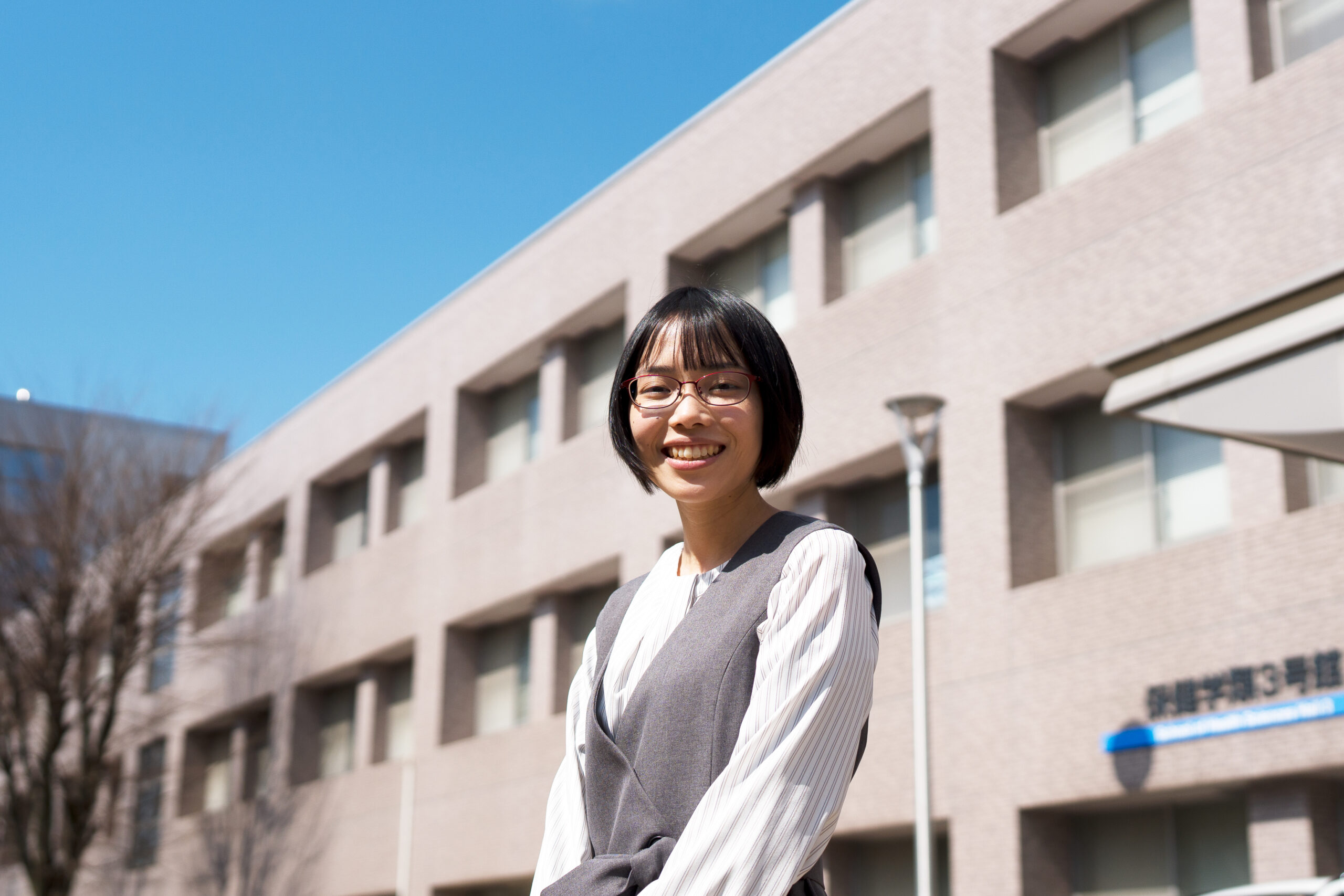
Nanako Kobayashi, a second-year doctoral student at the time of the interview in the Division of Health Sciences, Graduate School of Medical Sciences, originally aspired to become a clinical laboratory technologist. Along the way, however, she discovered the excitement and intellectual challenge of research, which inspired her to pursue a research career. She is also a HaKaSe+selected student. In this interview, she reflects on the experiences that influenced her decision to continue to doctoral study, what she finds most rewarding about research, and the insights she has gained through her doctoral journey. Watch the interview video on Kanazawa University's official research Instagram account.
What motivated you to pursue a doctoral course?
I first began considering doctoral studies during my fourth year as an undergraduate, when I started working on my graduation research in my current laboratory. As a student in the Clinical Laboratory Science program, my original goal to become a clinical laboratory technologist and work in a hospital after graduation. However, as I became more involved in my research and spent more time conducting experiments, I found myself increasingly fascinated by the process of discovery. I realized that the few months I had to work on my project before beginning clinical training were not enough to explore the questions that interested me most. That realization became a turning point and led me to consider a career in research. Even pursuing a master’s degree did not seem sufficient for the research I hoped to accomplish. I wanted the time and opportunity to investigate my research questions more deeply, so I decided at an early stage to continue to a doctoral program.
My decision to pursue basic rather than clinical research was also influenced by an experience during my first year as an undergraduate. In a class that I attended alongside medical students, I had the opportunity to hear from peers who were already involved in basic research and learn about their work. Their experiences sparked my interest in exploring the fundamental mechanisms of life and deepened my curiosity about scientific discovery. Another factor that encouraged me was the environment around me. About half of my classmates also chose to pursue research careers, and my family was very supportive of my decision. With their encouragement, I felt confident in choosing a research path and taking the next step toward becoming a researcher. 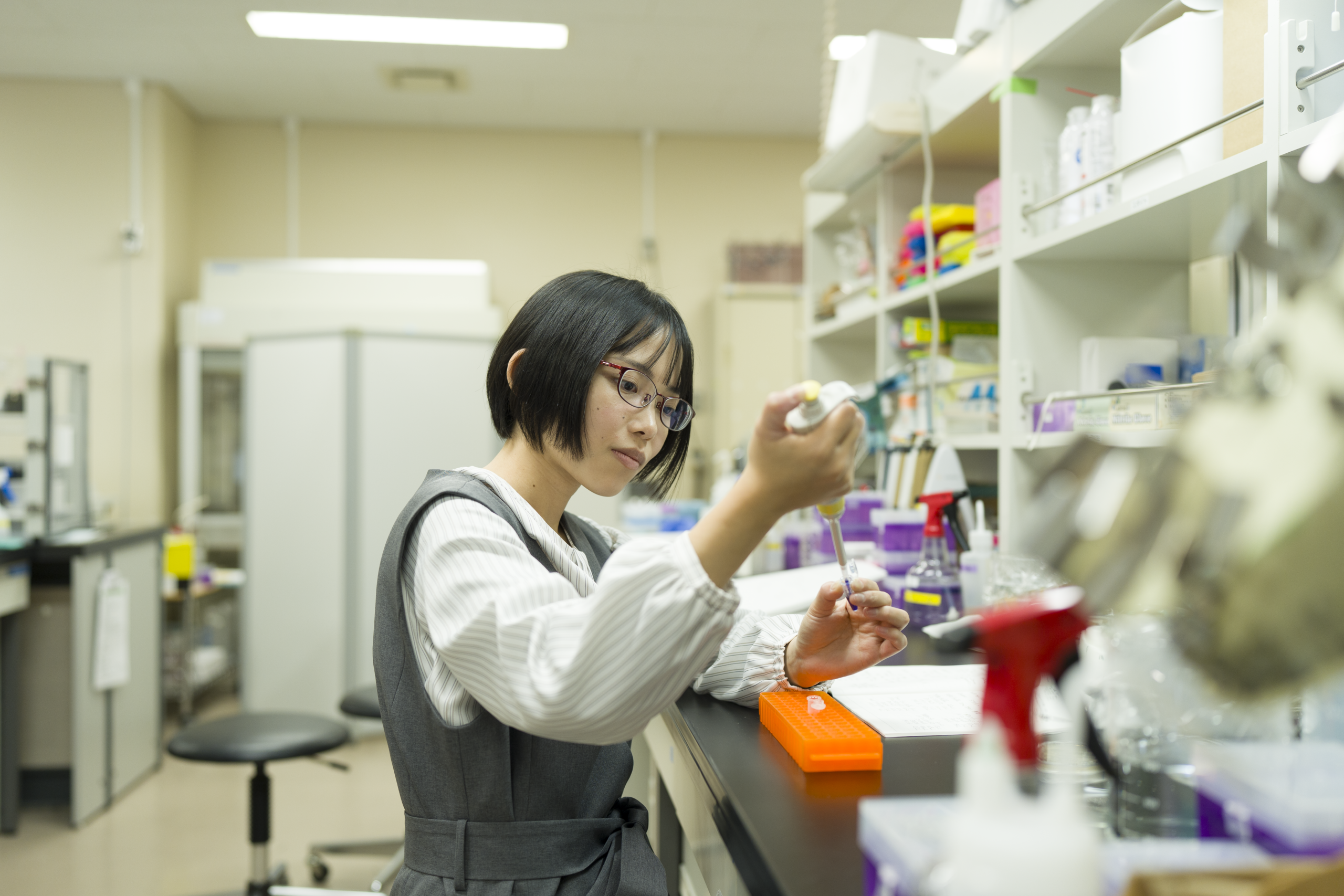
What kind of research are you currently conducting?
My research focuses on molecular and structural biology, with a particular interest in mitochondria—the organelles often referred to as the “powerhouses” of the cell. Specifically, I study proteins that act as gateways, allowing proteins produced in the cytoplasm to be transported into mitochondria, where they carry out essential cellular functions.
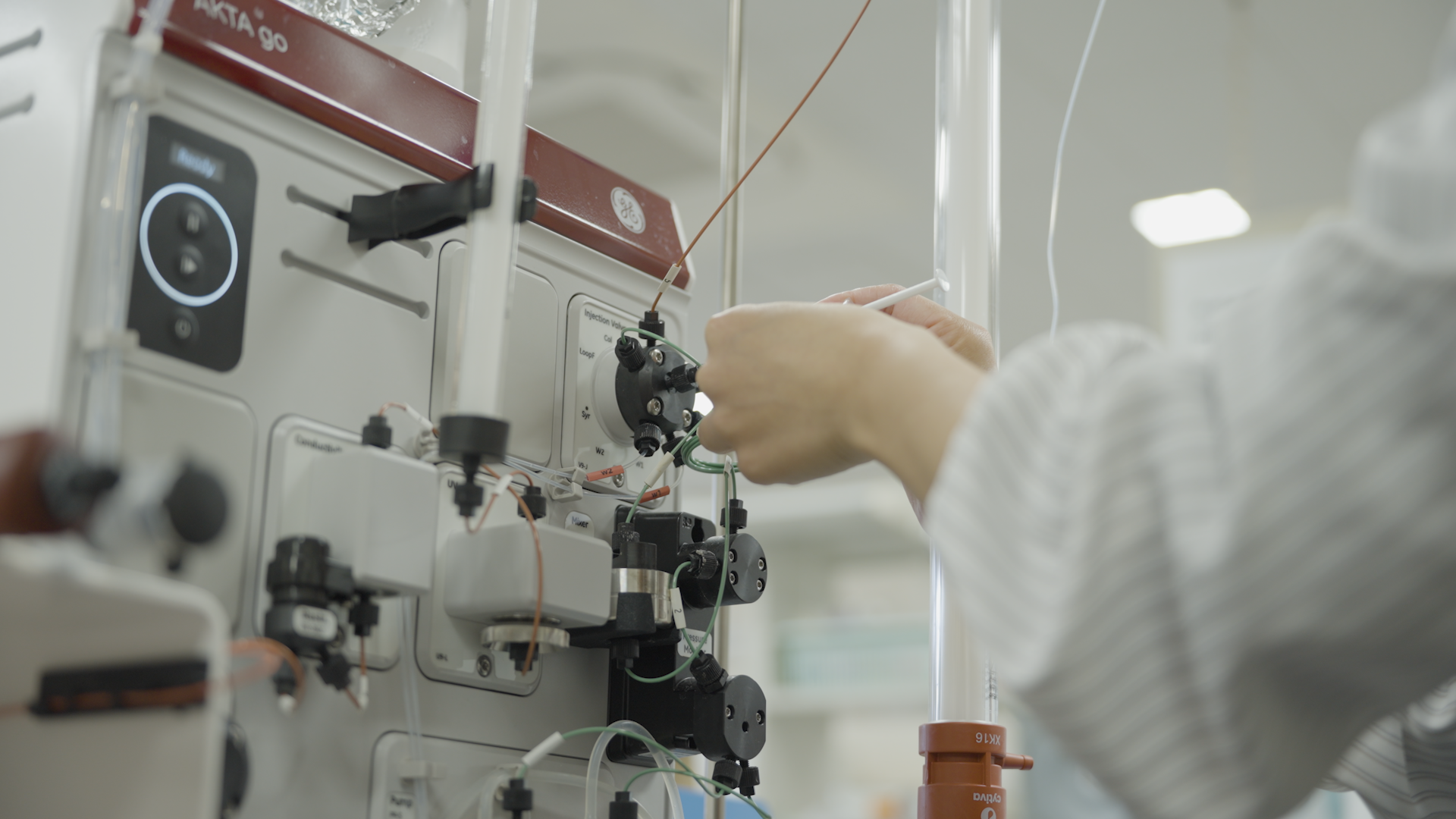
To investigate these processes, I use a high-speed atomic force microscope (HS-AFM, *1) at the Nano Life Science Institute (WPI-NanoLSI) of Kanazawa University. This instrument allows me to observe the dynamic behavior of proteins in real time at the molecular level, almost like watching a molecular-scale movie. In addition, I use cryo-electron microscopy (*2) to examine how proteins fold into three-dimensional structures at high resolution.
I am particularly interested in whether the protein structures identified in previous studies accurately reflect their forms in living systems. My current goal is to test this hypothesis through my own experimental approaches.
* 1 High-Speed Atomic force microscopy (HS-AFM) : A microscope that enables real-time observation of protein molecules in solution under conditions close to their natural biological environment.
*2 Cryo-electron microscopy: A technique that determines the three-dimensional structures of purified proteins at high resolution by rapidly freezing samples for analysis.
What is your daily research life like?
Thanks to the financial support provided through the HaKaSe⁺ Program, I am able to devote myself fully to my research. In my laboratory, each student works on an individual research project, which gives me the freedom to plan and conduct experiments independently. I appreciate the flexibility this environment provides and the opportunity to take ownership of my research. Depending on the experiment, some procedures can take a long time. However, I try to finish my work during the daytime as much as possible by writing out my experimental schedule in advance and preparing everything the day before. Through this experience, I have developed not only the ability to design and manage experiments, but also stronger communication skills. As I have taken on more opportunities to explain my research to junior students, I have become increasingly aware of the importance of communicating scientific ideas clearly and effectively. I feel that these experiences have helped me grow both as a researcher and as a communicator.
When do you find your research most interesting or rewarding?
Of course, I am always pleased when an experiment produces the results I expected. However, what I may actually enjoy most is the process itself—planning experiments and thinking step by step about what to do next when things do not go as planned. Recently, I was able to visualize structural features—specifically differences in “height”—using HS-AFM that had not been observed in previous studies with cryo-electron microscopy. This made me feel that the structure I had been hypothesizing might gradually be coming into view. If I can continue to refine these observations and determine the protein structure in greater detail, it may become possible to predict how structural changes influence the functions of other proteins. In the future, this knowledge could help identify new targets for drug discovery. I find it especially rewarding that fundamental research like this has the potential to contribute to a deeper understanding of disease mechanisms and, ultimately, to advances in medicine.
Finally, could you tell us about your future goals?
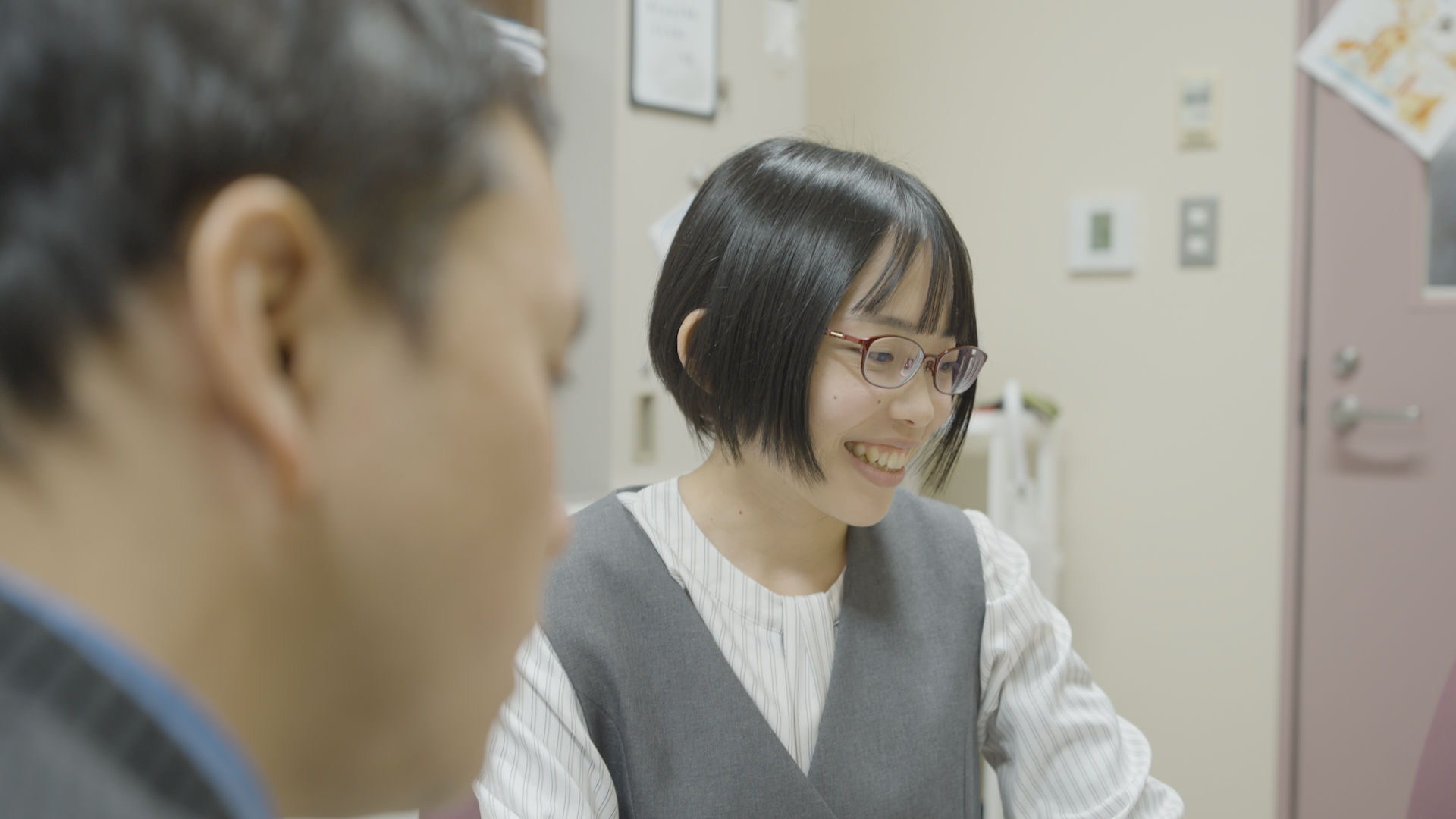
I hope to build a career as a researcher who continues to explore the fundamental mechanisms of life. While becoming a postdoctoral researcher is a common path after completing a doctoral degree, I have a strong desire to remain actively involved in experimental work and continue conducting research at the bench. For that reason, I hope to pursue a career that allows me to stay closely connected to academic research while continuing to carry out my own experiments. University faculty members take on many responsibilities in addition to research, including mentoring students, managing laboratories, and securing research funding. Because of these commitments, I feel that it can sometimes be difficult for them to devote sufficient time to hands-on experimental work. At present, there are not many positions that allow researchers both to support the broader activities of a laboratory and to remain deeply engaged in their own research. That is precisely why, even if I am fortunate enough to follow such a path, there is no single “ideal model” or established roadmap to rely on. I believe I will need to continue identifying new research questions, seeking opportunities where I can thrive as a researcher, and ultimately carving out my own path.
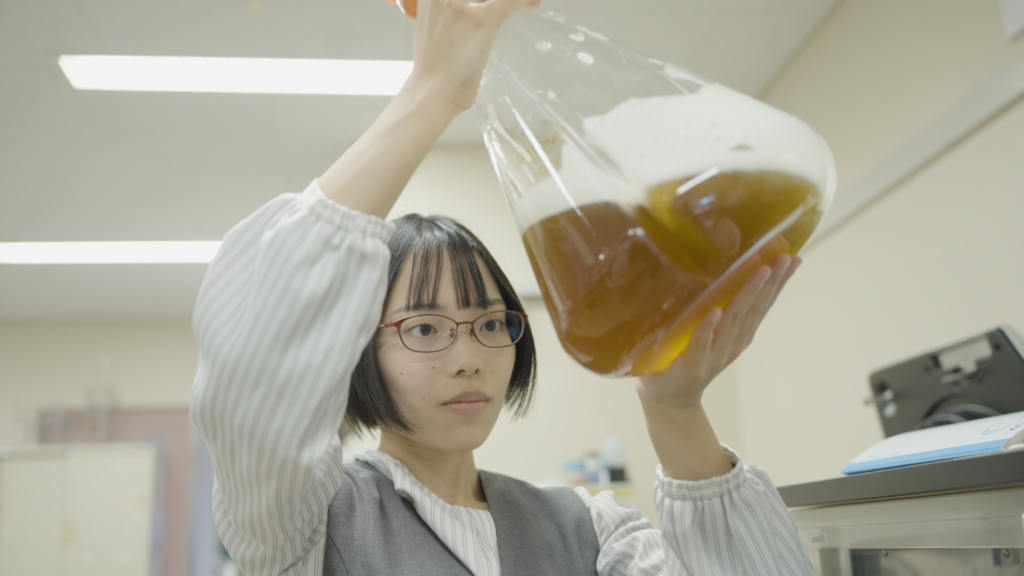
*Note: All affiliations, positions, and academic years are accurate as of the time of the interview and may have changed since then.
(Tamayo Kido, writer)
 PAGE TOP