




A joint research group led by Professor Nobuo Suzuki of the Institute of Nature and Environmental Technology, Kanazawa University, including Kohei Kuroda, a doctoral student in the Division of Biological Science and Technology, Graduate School of Natural Science and Technology, Kanazawa University and a selected student of the HaKaSe⁺ for SPRING program at the time of the research, Satsuki Kimura, a fourth-year student in the School of Biological Science and Technology, College of Science and Engineering, Emeritus Professor Akiyoshi Takahashi and Professor Kanta Mizusawa of Kitasato University, Professor Jun Hirayama of Bunkyo University, and Specially Appointed Professor Atsuhiko Hattori and Assistant Professor Yusuke Maruyama of Rikkyo University, has , for the first time, revealed the effects of melanin-concentrating hormone (MCH) on fish bone metabolism using goldfish scales (Figure 1) as a model of bone.
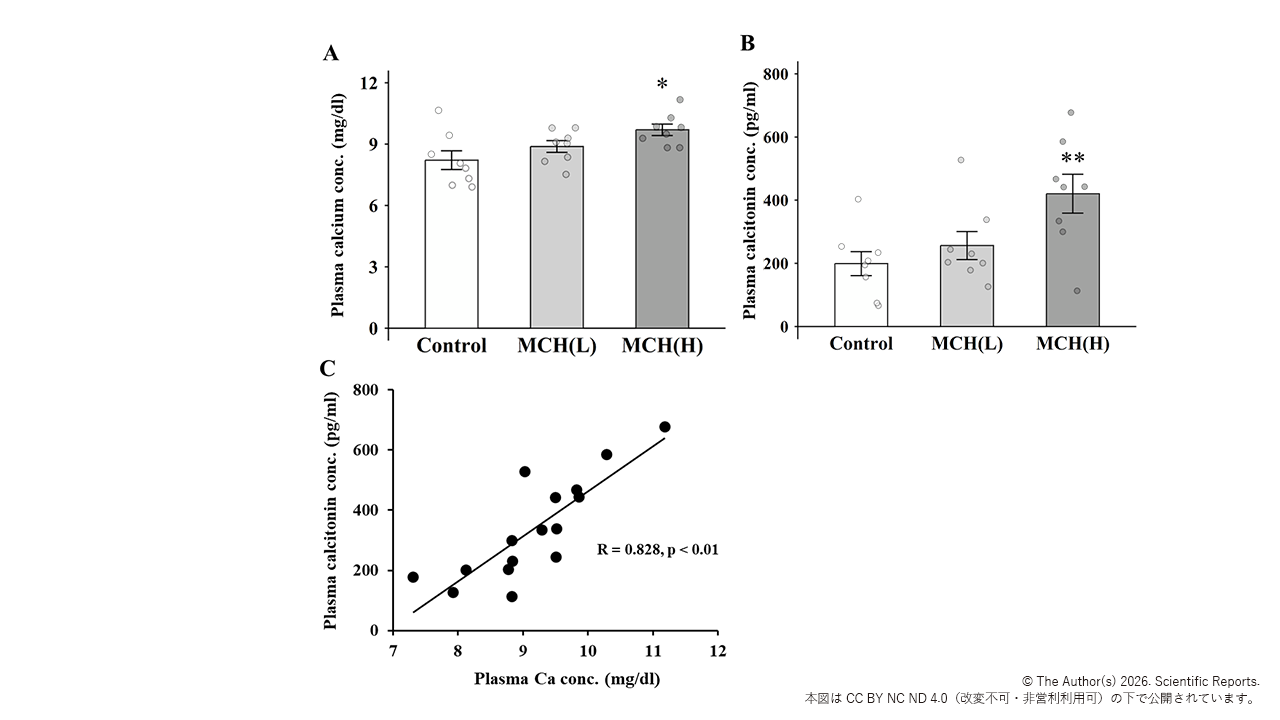
When goldfish scales were cultured in a medium containing melanin-concentrating hormone, short-term exposure suppressed osteoclast-related gene expression and inhibited bone resorption. In contrast, intraperitoneal administration every other day for 10 days activated osteoclasts and induced calcium release from regenerated scales, and these changes were accompanied by elevated blood calcium levels and increased calcitonin secretion. These findings suggest that melanin-concentrating hormone suppresses bone resorption in the short term but may indirectly promote it during long-term treatment.
This study demonstrates that melanin-concentrating hormone plays a significant role in regulating bone metabolism in fish and that its effects differ depending on the duration and mode of treatment. Fish scales contain osteoblasts, osteoclasts, and osteocytes (Figure 1), and melanin-concentrating hormone is thought to regulate bone formation and resorption through its actions on these cells. These findings are expected to contribute to a better understanding of the molecular mechanisms underlying bone metabolism.
The results of this research were published online in "Scientific Reports", an international journal published by Nature Portfolio, on March 20, 2026.
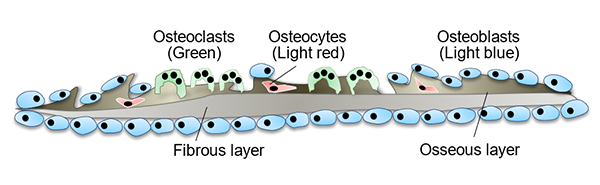
Figure 1: Schematic diagram of fish scales
Fish scales contain osteoblasts, osteoclasts, and osteocytes on a calcified matrix and exhibit bone metabolism similar to that of human bone.
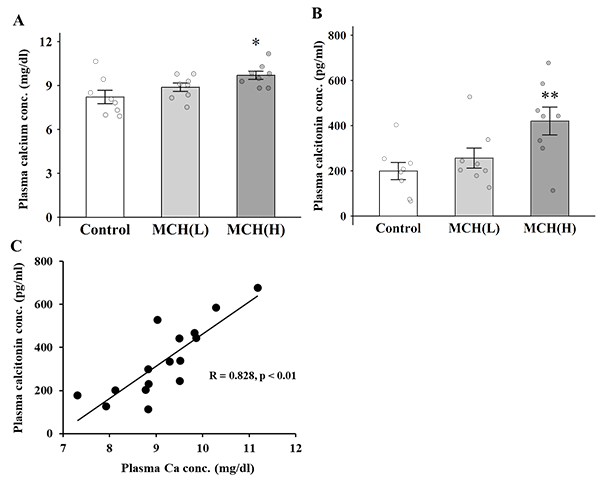
Figure 2: Effects of melanin-concentrating hormone (MCH) on plasma calcium (A) and calcitonin (B) levels in goldfish. MCH was administered intraperitoneally at a low dose [0.1 μg/g body weight; MCH (L)] or a high dose [1 μg/g body weight; MCH (H)] every other day. As a result, plasma calcitonin and calcium levels were altered and were significantly positively correlated (C). * and ** indicate statistically significant differences compared with the control group (p < 0.05 and p < 0.01, respectively). Sample size was n = 8.
© The Author(s) 2026. Scientific Reports. This figure is published under CC BY-NC-ND 4.0 (non-commercial use permitted; no modifications allowed).
【Glossary】
*Melanin-concentrating hormone (MCH)
A hormone that regulates the distribution of melanin, the pigment responsible for body coloration, thereby altering body color. In fish, it functions to lighten body color and contributes to environmentally induced color changes. It is also involved in appetite, sleep, and other physiological functions. This study investigated its effects on bone metabolism.
Click here to see the press release【Japanese only】
Journal:Scientific Reports
Researcher's Information: Nobuo Suzuki
Related Information
Institute of Nature and Environmental Technology, Kanazawa University
Graduate School of Natural Science and Technology, Kanazawa University
 PAGE TOP