




A research group including Qiyan Fan, a fourth-year doctoral student in the Graduate School of Medical Sciences at Kanazawa University and a participant in WISE Program for Nano-Precision Medicine, Science and Technology, Associate Professor Mika Takarada, and Professor Osamu Hori of the Department of Neuroanatomy, Institute of Medical, Pharmaceutical and Health Sciences, Kanazawa University, has uncovered a new mechanism by which vascular stress responses activated after traumatic brain injury help protect the brain. The study shows that these responses suppress neuroinflammation and prevent the breakdown of the brain’s barrier function, both of which are key contributors to disease progression.
Traumatic brain injury can result from traffic accidents, falls, and sports-related injuries, and is a serious medical condition affecting people of all ages, from young individuals to older adults. In addition to the primary damage that occurs immediately after injury, secondary damage—such as inflammation, brain swelling, and neuronal cell death—can progress over the following days to weeks. Secondary injuries often lead to lasting neurological issues, so understanding their mechanisms and finding new treatments is essential.
In this study, building on findings previously reported by the research team, the investigators focused on endoplasmic reticulum (ER) stress responses (*2) in vascular endothelial cells (*1) following traumatic brain injury. Using a mouse model in which the ER stress sensor IRE1 was selectively impaired in vascular endothelial cells, the team found that traumatic brain injury led to more severe disruption of the brain’s barrier function, excessive infiltration of immune cells accompanied by neuroinflammation, and aggravated neuronal damage. As a result, recovery of motor function was significantly impaired. The study further demonstrated that administration of a drug that alleviates ER stress improved neurological symptoms in mice with traumatic brain injury.
These findings deepen our understanding of the mechanisms underlying disease progression after traumatic brain injury and may contribute to the development of new therapeutic approaches in the future.
The results of this study were published online on February 9, 2026, in the British scientific journal "Cell Death & Disease".
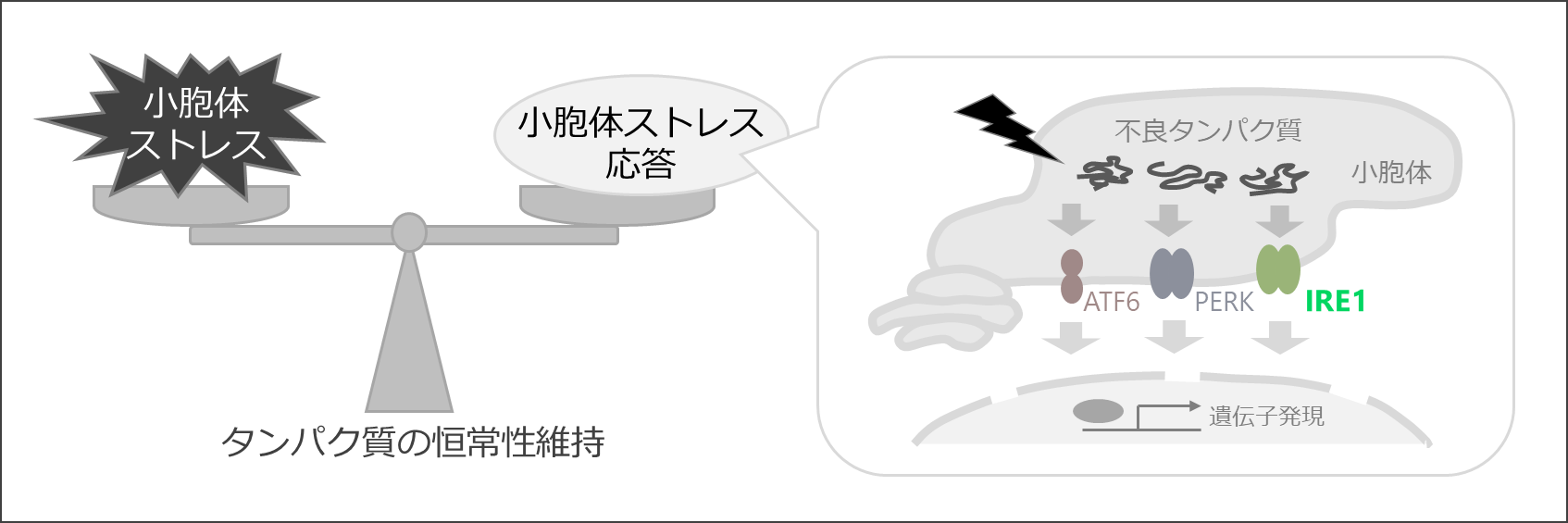
Figure 1. Overview of Endoplasmic Reticulum Stress and the Endoplasmic Reticulum Stress Response
Various types of cellular stress can lead to the accumulation of misfolded or unfolded proteins in the endoplasmic reticulum, a condition known as endoplasmic reticulum (ER) stress. To cope with this situation, cells activate a protein quality‐control system referred to as the endoplasmic reticulum stress response. In the present study, we focused on IRE1, one of the key sensors of ER stress.
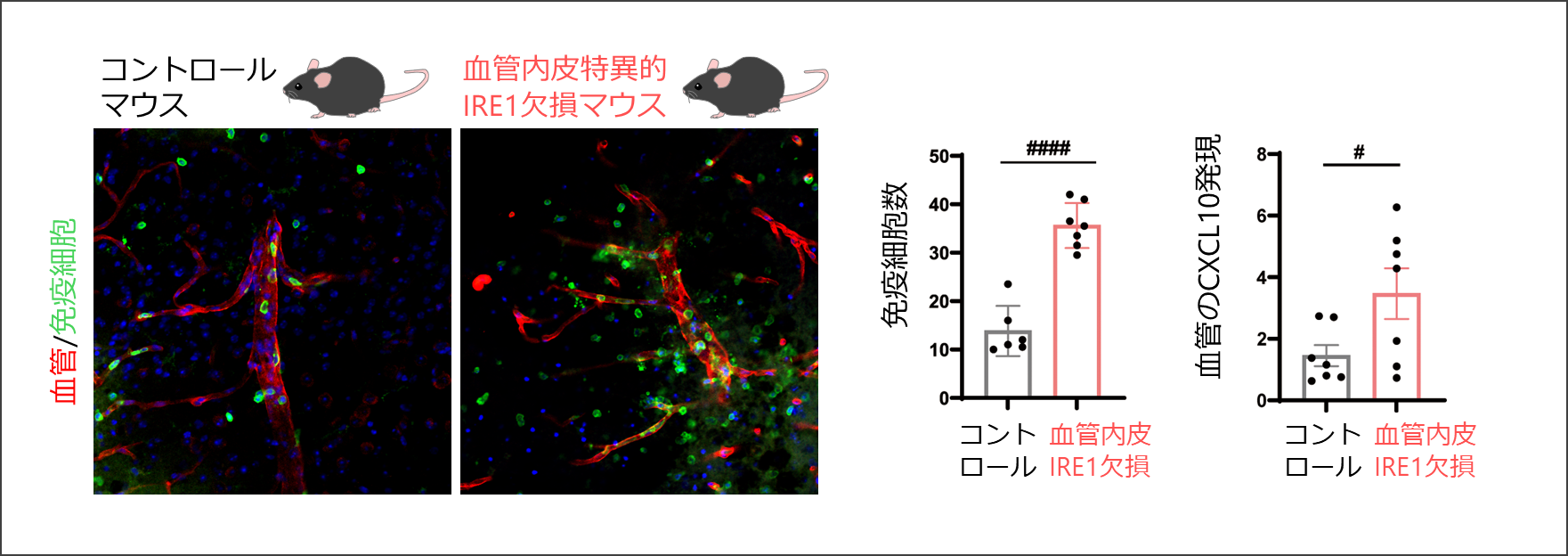
Figure 2. Immune Cell Infiltration into the Brain After Traumatic Brain Injury
In mice with endothelial cell–specific deletion of IRE1, traumatic brain injury resulted in an increased number of CD45-positive immune cells infiltrating the brain. In addition, expression of the chemokine CXCL10, which promotes immune cell migration, was elevated in vascular endothelial cells after injury.
【Glossary】
*1 Vascular Endothelial Cells
Vascular endothelial cells are the cells that line the inner surface of blood vessels and play a central role in maintaining the barrier function of the blood–brain barrier.
*2
Endoplasmic Reticulum Stress and the Endoplasmic Reticulum Stress Response
(Unfolded Protein Response: UPR)
When the endoplasmic reticulum, which is responsible for protein folding, becomes overloaded, a condition known as endoplasmic reticulum (ER) stress occurs. To cope with this stress, cells activate a protective mechanism called the ER stress response, also known as the unfolded protein response (UPR). IRE1 plays a key role as a signaling pathway involved in mediating this response.
Click here to see the press release【Japanese only】
Journal : Cell Death & Disease
Researcher Information : Mika Takarada
Osamu Hori
Related Information
School of Medicine, College of Medical, Pharmaceutical and Health Sciences / Division of Medicine, Graduate School of Medical Sciences, Kanazawa University: https://www.med.kanazawa-u.ac.jp/EN/index.html
Hori Lab, Department of Neuroanatomy, the Institute of Medical, Pharmaceutical and Health Sciences, Kanazawa University: https://med03.w3.kanazawa-u.ac.jp/index.html
 PAGE TOP