




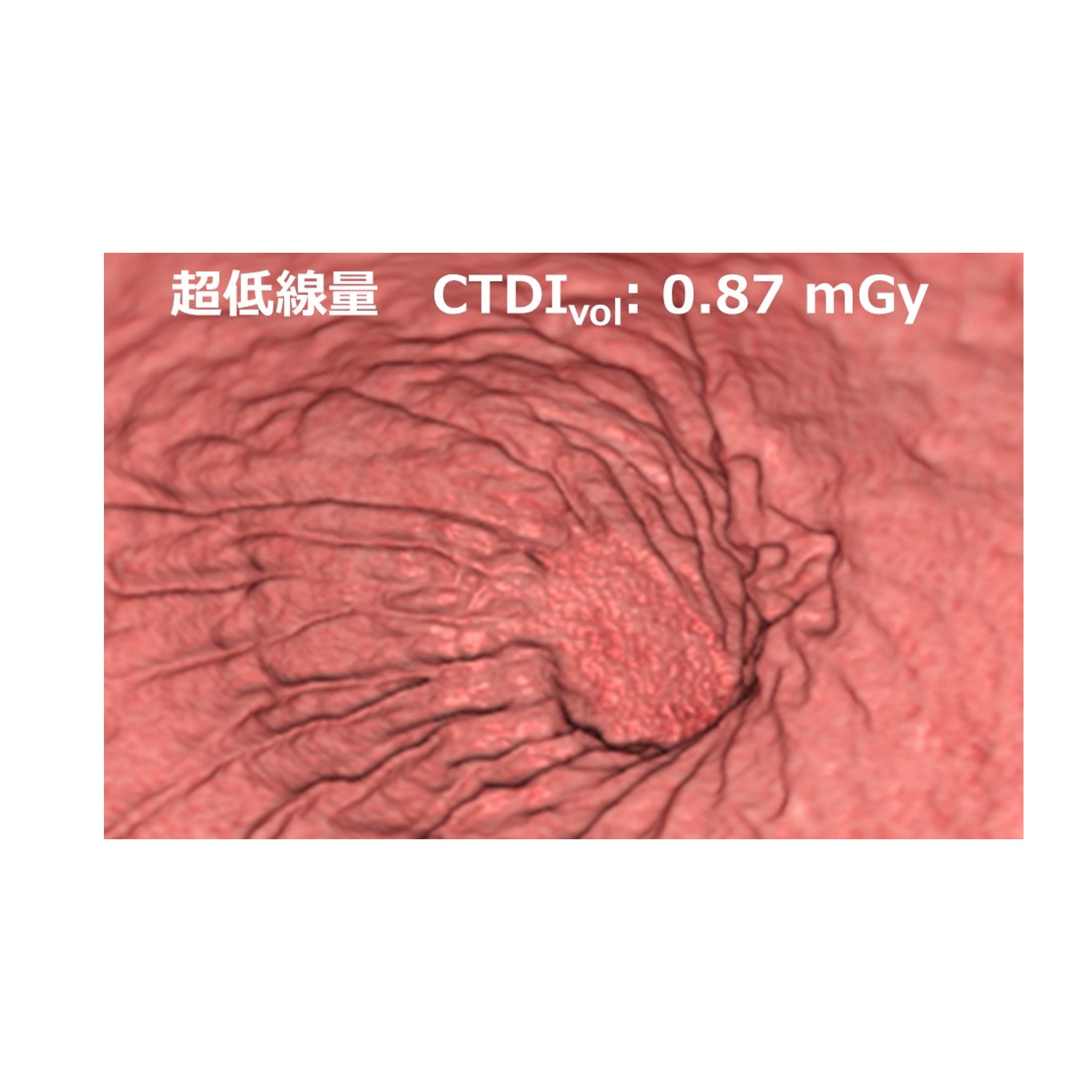
Professor Katsuhiro Ichikawa of the Faculty of Health Sciences, Institute of Medical, Pharmaceutical and Health Sciences, Kanazawa University, has developed a virtual endoscopic examination method that enables clear and three-dimensional visualization of the stomach without the use of a conventional endoscope. This study was conducted in collaboration with Kazuya Ohashi, Chief Radiological Technologist at Nagoya City University Midori Municipal Hospital. The method combines images acquired using a dual-source CT scanner with a proprietary image-processing technique, creating an immersive visual experience that closely resembles direct inspection inside the stomach. Through this approach, the research aims to help establish next-generation gastric cancer screening. By eliminating the risks associated with conventional barium examinations—such as aspiration and constipation—and by addressing the societal challenge of a shortage of endoscopy specialists, this technique proposes a new, minimally invasive screening paradigm that significantly reduces the physical burden on patients.
The results of this study were presented on March 20, 2026, at The 8th Annual Meeting of the Japan Gastrointestinal Virtual Reality Association.
【Key Points】
- From “drinking” to “scanning”: This method enables gastric cancer screening without the need for barium ingestion or insertion of an endoscope, providing a more comfortable examination experience for patients.
- Significantly reduced radiation dose: By applying pre-filter technology (*1), the method aims to achieve radiation exposure levels lower than those of conventional gastric X-ray (barium) examinations.
- 3D images with no blind spots: Our proprietary photorealistic rendering technology enables us to diagnose the entire gastric wall with 3D images that have a texture close to that of the real thing. Furthermore, 3D data enables submucosal observation, which is impossible with a gastrocamera.
- Abdominal assessment in a single examination: In addition to the stomach, upper abdominal organs such as the liver and pancreas can be simultaneously evaluated in a single scan.
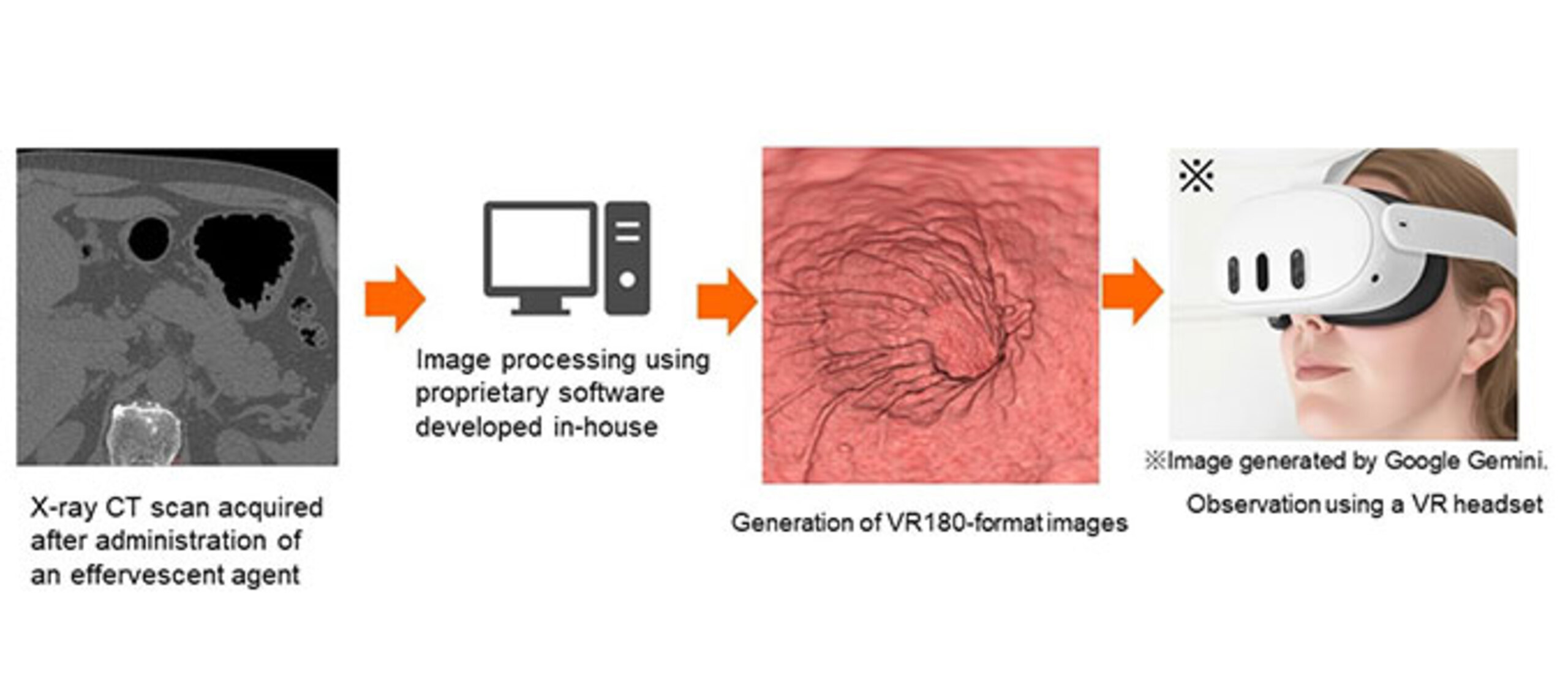
Figure 1. Schematic overview of the virtual reality (VR)–based gastric examination system employing photo-realistic virtual gastroscopy (PRVG).
【Glossary】
*1 Pre-filter technology
A technique that reduces radiation exposure by eliminating unnecessary low-energy X-rays when imaging high-contrast structures, such as the interface between the stomach wall and air.
Click here to see the press release【Japanese only】
Researcher Information : Katsuhiro Ichikawa
Related Information
 PAGE TOP