




*****The following content was written by the author(s) of the paper.*****
A research team from the Kyushu Institute of Technology, Kwansei Gakuin University, Tokyo City University, Kanazawa University, the University of Tokyo, and other institutions has successfully completed the test operations conducted since the satellite was released into orbit. Having confirmed that the satellite meets its specified performance requirements, the team has begun routine operations for scientific astronomical observations.
The astronomical nano-satellite VERTECS was launched from the Tanegashima Space Center at 9:53:59 a.m. Japan Standard Time on June 12, 2026, aboard H3 Launch Vehicle No. 6 (H3-30 test vehicle). After insertion into its designated orbit, the satellite successfully communicated with its operational ground stations. The team then sequentially verified the satellite's power, communications, attitude control, data-processing, and observation-system functions.
During initial operations, the team pointed the satellite toward selected regions of the sky, imaged astronomical objects with its onboard visible-light instrument, and transmitted the acquired observation data to the ground. These operations confirmed that both the satellite system and the observation instrument achieve their specified on-orbit performance and can conduct routine astronomical observations.
During routine operations, VERTECS will begin its primary mission: observing visible extragalactic background radiation to reveal the history of star and galaxy formation in the universe. Members of the participating institutions are operating the satellite, and operations and observations are planned to continue for a year.
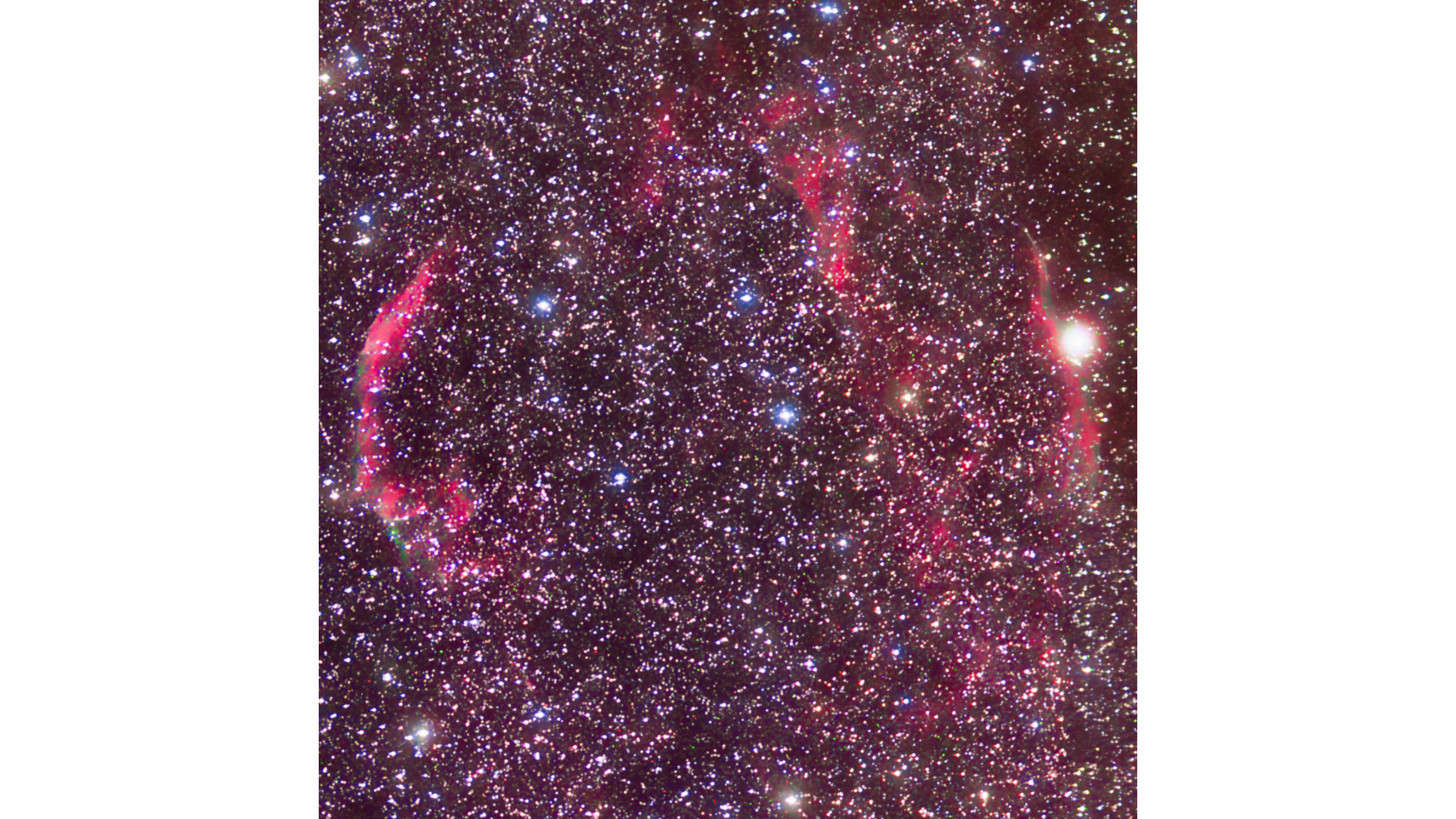
Figure 1 shows images acquired as VERTECS observed each target region of the sky. The images primarily capture stars and nebulae. By pointing at the intended regions and conducting observations, VERTECS demonstrated its high-precision attitude-control capability. The satellite obtained sharp images with one-minute exposures that would require several hours of exposure using ground-based telescopes.
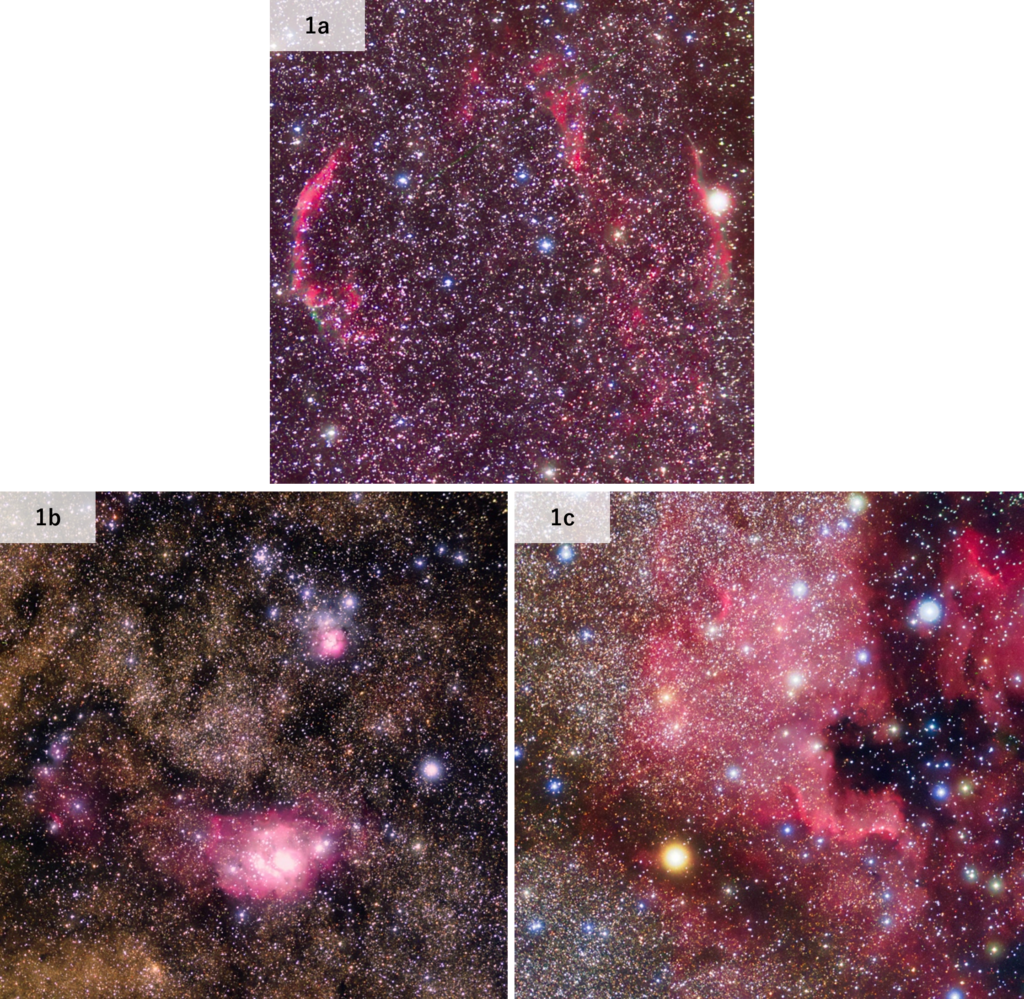
Figure 1. Multicolor composite images of the Cygnus Loop (a), Lagoon Nebula (b), and North America Nebula (c), acquired with the visible-light observation instrument aboard VERTECS.
Brightness and contrast have been adjusted to make the astronomical objects easier to see. (Credit: VERTECS Project)
Click here to see the press release【Japanese only】
Researcher Information : Ichiro Jikuya
Related Information
School of Frontier Engineering, College of Science and Engineering, Kanazawa University
Graduate School of Natural Science and Technology, Kanazawa University
 PAGE TOP