




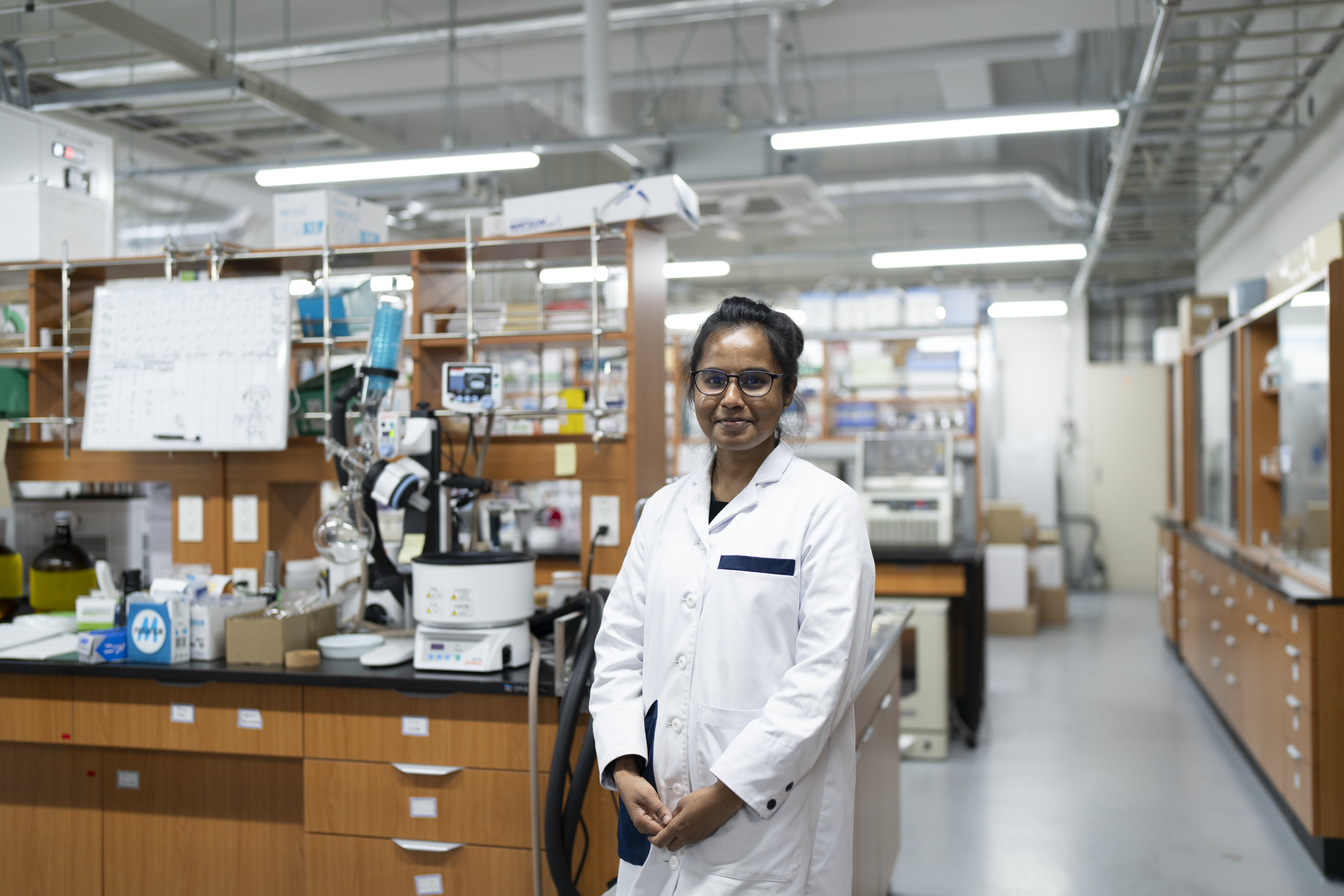
Originally from Sri Lanka, Dilini Nisansala HETTIMUDALIGE is a HaKaSe +selected student and a doctoral student (first year at the time of the interview) in the Division of Nano Life Science, Graduate School of Frontier Science Initiative at Kanazawa University. She is working on the development of novel technology in an emerging area of research. In this interview, she discusses her reasons for choosing Kanazawa University, the appeal of her research, and her aspirations for the future. Watch the interview video on Kanazawa University's official research Instagram account.
Why did you choose Kanazawa University?
In my home country of Sri Lanka, there is a highly respected researcher in the field of nanotechnology, Professor C.A.N. Fernando. I was greatly inspired by his work, and after completing my degree in Sri Lanka, I initially hoped to pursue a PhD in nanoscience and join his research group. While searching online, I learned that Professor Fernando had earned his PhD from Kanazawa University. This sparked my interest in the academic environment that had helped shape his career. As I explored further, I discovered the Nano Life Science Institute (WPI-NanoLSI) at Kanazawa University and was particularly attracted by its strong emphasis on interdisciplinary research that brings together nanotechnology, life sciences, chemistry, biology, and other fields. I then contacted Professor Toshio Fukuma, Director of NanoLSI, by email. He kindly introduced me to Professor Satoshi Arai, who later became my supervisor. Following two interviews and the admission process, I was accepted into the doctoral program.
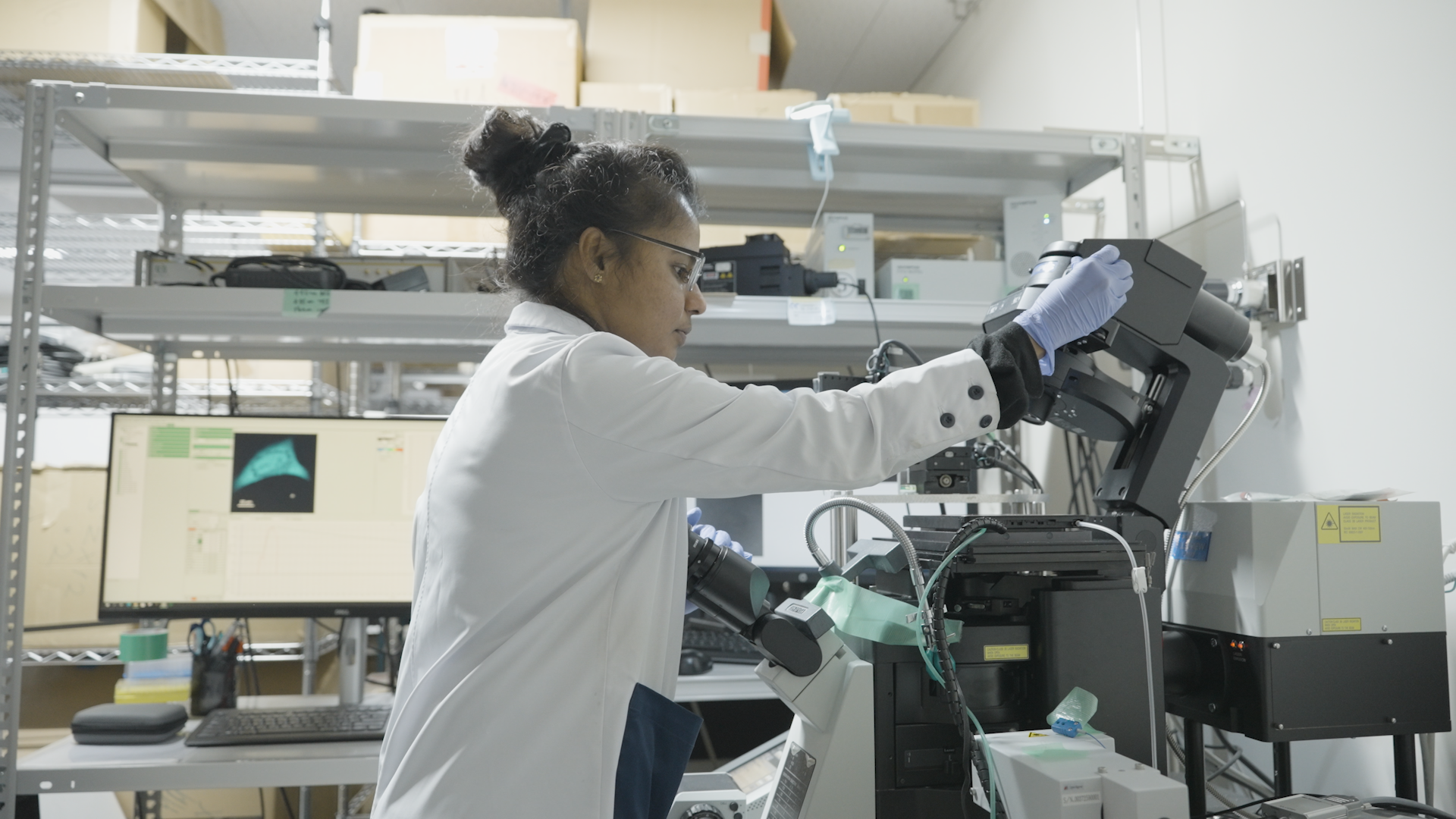
Kanazawa University provides an excellent environment for research. Chemicals and reagents that can be difficult to obtain in Sri Lanka are readily available here, and the university offers access to advanced research facilities, including confocal fluorescence microscopes and other state-of-the-art equipment.
My supervisor is also very supportive and always willing to discuss research. Whenever I encounter difficulties in my experiments, I know I can turn to him for advice. Rather than simply giving me the answers, he helps me think through problems by pointing out what is working well and where improvements can be made. This approach has helped me develop the ability to think independently and grow as a researcher.
What motivated you to pursue a doctoral course?
During my two years in the master's program, I experienced the excitement of making new discoveries through research. I found the process of conducting experiments and uncovering new knowledge incredibly rewarding, which inspired me to explore my field in greater depth. As my interest in research grew, I became increasingly certain that this was the path I wanted to pursue. With the goal of becoming a researcher in the future, I decided to continue on to a PhD.
I have always been a curious person and genuinely enjoy learning something new every day. That curiosity motivates me to ask questions, explore the unknown, and continually challenge myself. It is this desire to discover and understand new things that drives my passion for research.
What kind of research are you currently conducting?
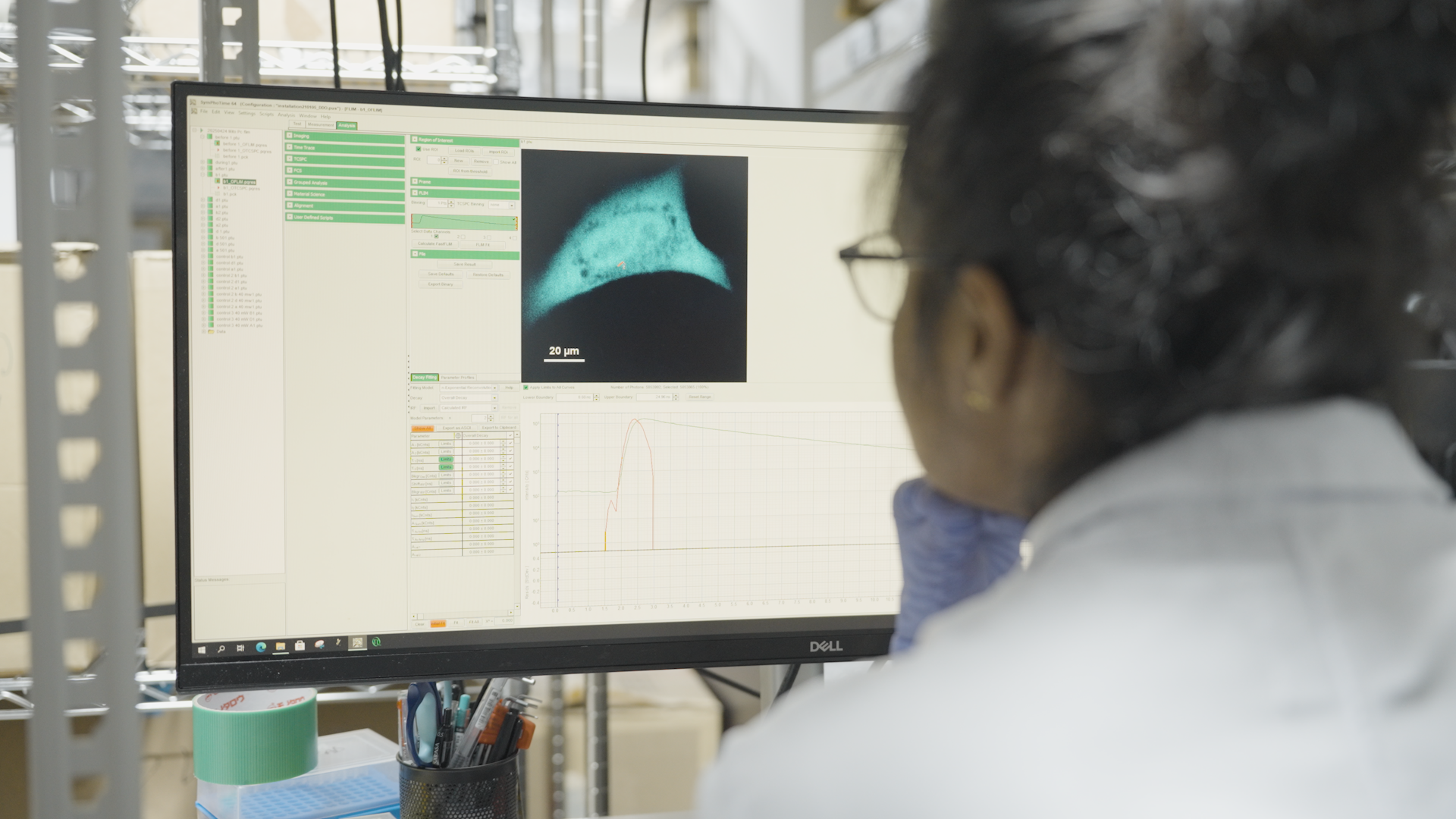
My research focuses on developing a technique for selectively heating specific organelles within cells. To do this, I introduce special heat-generating dye molecules into cells. By irradiating these dyes with near-infrared light, I can locally heat only the targeted organelles, such as the nucleus, mitochondria, or endoplasmic reticulum. I then investigate how cellular stress responses differ depending on which organelle is heated. This is a novel approach that remains largely unexplored. In the future, it has the potential to contribute not only to cancer treatment but also to therapies for diseases associated with mitochondrial dysfunction, such as Parkinson’s disease and Alzheimer’s disease.
So far, I have successfully synthesized two dyes that can selectively target the nucleus and mitochondria. Reaching this point took about a year and a half, as the dyes often did not behave as expected inside cells and required repeated redesign and optimization.
There are still technical challenges to overcome. For example, achieving the desired level of heating remains difficult. Research on this localized heating technology is still in its early stages, and it may take 10 or even 20 years before it can be translated into clinical applications. 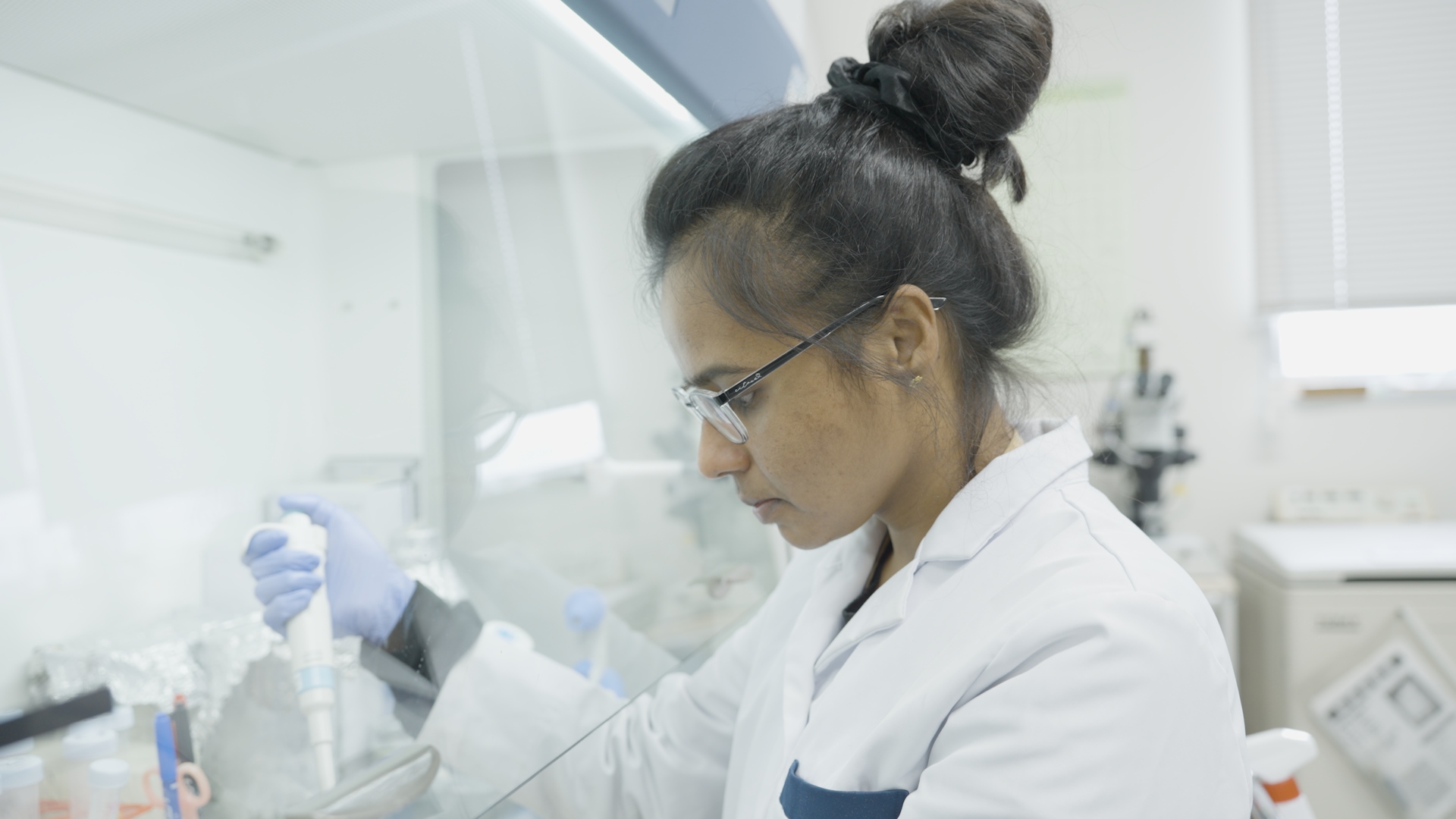
Could you tell us about your future aspirations?
My immediate goal is to further develop the localized heating technology I am currently working on to the point where it can be put into practical use. In the long term, I hope to establish myself as an independent researcher in Japan and eventually become a principal investigator (PI) leading my own research group. To achieve this, I need to continue expanding my scientific knowledge, strengthening my technical skills, and developing my ability to conduct independent research. Earning a PhD is an important step toward that dream, and I hope to build a strong foundation through my doctoral studies.
How do you spend your time outside of research?
I enjoy reading, and spending time in the library helps me relax. I also like watching movies and coloring anime-themed coloring books. I enjoy traveling as well. Visiting places such as Mt. Fuji and Kamikochi allowed me to experience some of Japan’s beautiful natural landscapes and provided a great opportunity to relax and recharge.
Finally, do you have a message for those considering pursuing a PhD abroad?
I came to Kanazawa University from Sri Lanka to pursue my master and doctoral studies, and I have been fortunate to have the opportunity to work on a novel and highly challenging research project. With its advanced facilities, supportive mentors, and comprehensive research support, Kanazawa University provides an excellent environment for anyone who wants to pursue innovative research. I believe that studying here can help aspiring researchers develop their skills, broaden their perspectives, and build a strong foundation for their future careers.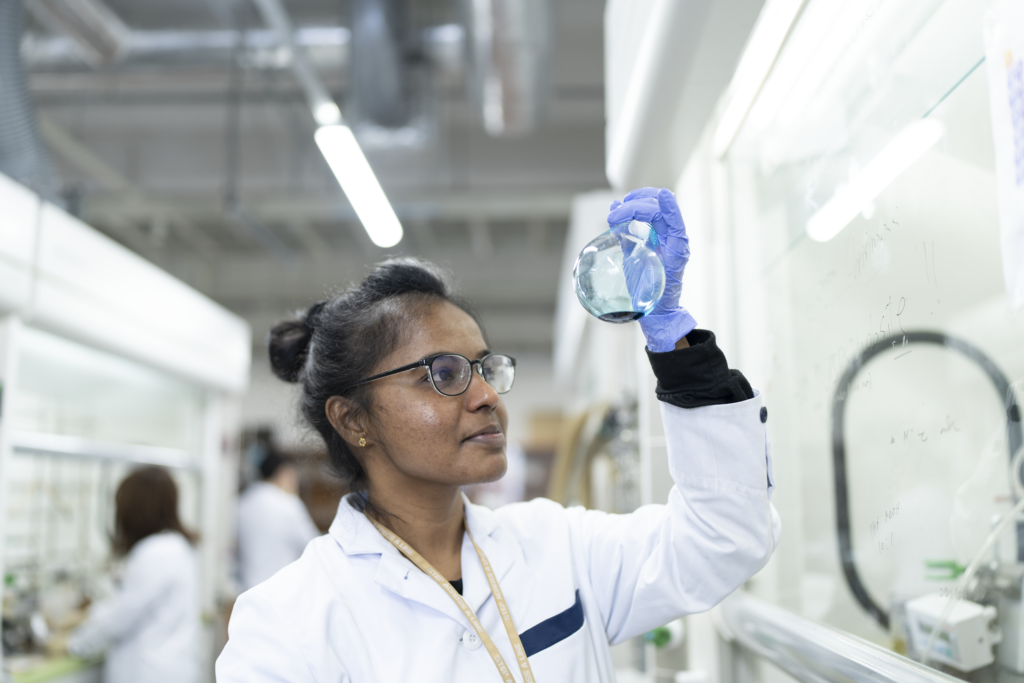
*Note: All affiliations, academic years, and other information are accurate as of the time of the interview.
(Tamayo Kido, writer)
 PAGE TOP