




Honoring Every Child's Individuality for a Society Where All Can Thrive
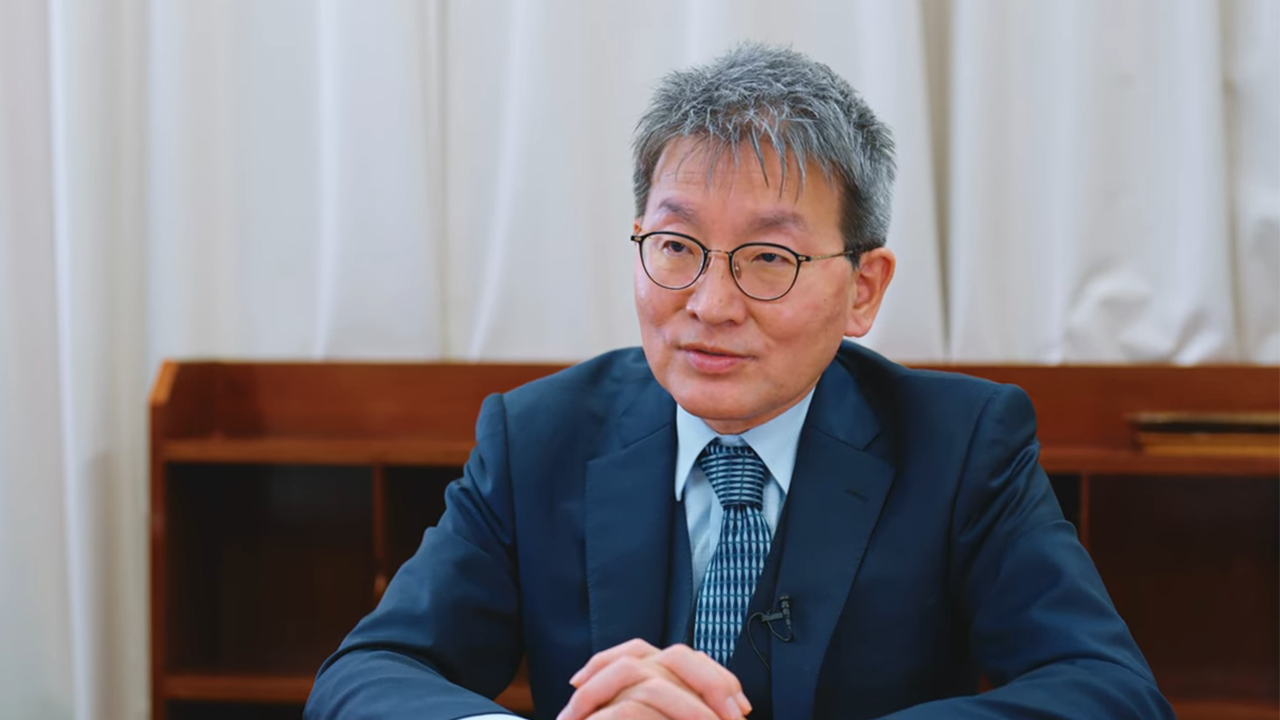
Professor Kikuchi's vision is a society in which children grow up with their self-esteem intact, free to develop their talents throughout their lives. To bring that vision closer, he is working to make each child's individuality visible and to embed personalized approaches to childcare into everyday life.
Every child has a unique individuality. What is effortless for one child can be a significant burden for another. When such everyday stresses accumulate, they can deeply wound a child's emotional well-being, with effects that may surface far into the future. For example, diminished resilience — the capacity to recover from stress — can make it harder to adapt in settings such as the home, school, and workplace.
Preventing these outcomes requires understanding each child's individual traits and choosing approaches tailored to them. To protect children's vitality and well-being, Professor Kikuchi pursues research on two fronts: using brain imaging to make individuality visible, and developing ways of engaging with children informed by those findings.
Using Brain Imaging to Visualize Children's Individuality
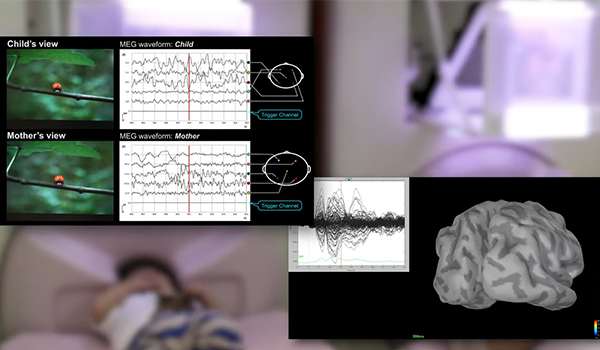
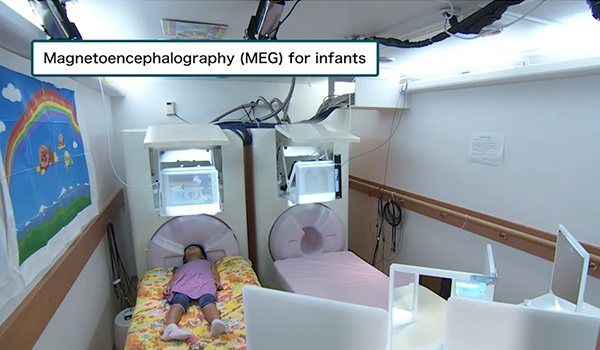
The tool Professor Kikuchi relies on for this purpose is functional brain imaging. A magnetoencephalography (MEG) system detects the faint magnetic fields generated by brain activity, and the resulting data are used to estimate and visualize how the brain functions. This approach can reveal, to some extent, the characteristic patterns of brain activity in each individual.
"As our brain imaging measurements and analyses have progressed, we have begun to identify brain features and tendencies commonly observed in children with developmental disorders. We are also starting to see relationships between behavioral and cognitive patterns and brain activity. We cannot yet claim to capture individuality with precision, but we intend to keep accumulating data and building the foundation for making individuality visible," Professor Kikuchi says.
Building Systems That Bring Support into Everyday Life
If brain imaging can one day capture a child's individuality with precision, it will become possible to offer each child a tailored approach based on those findings. With that future in mind, Professor Kikuchi is working directly with children, exploring better forms of support through hands-on practice.
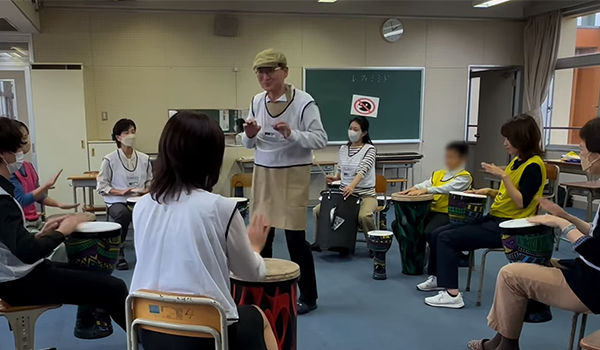
One example is art-based activities such as making things with modeling clay or playing drums together with the children. Through ongoing trial and error, the team is creating spaces where children feel safe to follow their curiosity. They are also implementing programs designed to improve sleep quality and daily routines, extending their support to children's health as well.
Beyond the lab, Professor Kikuchi is also committed to building systems that bring these activities to a wider population of children. One initiative now underway, for instance, introduces "curiosity inquiry time" [1] into the school day, honoring each child's individual interests. Embedding such efforts within school structures allows children to feel secure as they learn.Children raised with respect for their individuality will one day become the adults who shape society. Support for children today can therefore contribute to the psychological well-being of society as a whole in the future. "My dream is a society rich in opportunity — where every child grows into adulthood with self-esteem and curiosity, going on to display talents the world has never seen," Professor Kikuchi says with a warm smile.
(OHTA Makoto,Science writer)
Related Information
MIRAICHI Research Center
Professor Kikuchi's Showcase
Research Center for Child Mental Development
 PAGE TOP