
Storing and using energy close to home
Professor Tsujiguchi is working on methods to synthesize formic acid and develop fuel cells that utilize it. Formic acid can be synthesized in various locations using carbon dioxide from the air and electricity generated from renewable energy sources. As a liquid, it is safe to store and easy to transport. For example, it can be supplied as emergency aid during disasters. Recognizing the potential of formic acid as an energy carrier, Professor Tsujiguchi is developing a new system that allows small-scale synthesis and storage of formic acid in familiar places like community centers and hospitals—so it can be used effectively in times of emergency.

Formic Acid Fuel Cells: A Versatile Energy Source for a Sustainable Future
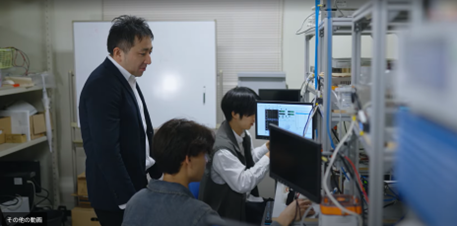
To address the global energy crisis, it is essential to harness a diverse range of energy sources tailored to specific needs and environments. One promising solution is the formic acid fuel cell, currently under development by Professor Takuya Tsujiguchi and his team. The most distinctive feature of this technology is its potential to empower anyone, anywhere to become an energy provider. In situations where the main power supply is disrupted—such as during natural disasters—formic acid fuel cells can serve as a reliable backup. Moreover, having a visible and accessible energy source nearby offers peace of mind to local communities. Formic acid fuel cells represent a compelling option among various energy technologies, thanks to their safety, portability, and scalability. The current challenge lies in improving their durability. Professor Tsujiguchi and his students are working together to develop a new system that balances power output and long-term stability, paving the way for practical and resilient energy solutions.